The Island of the Mighty
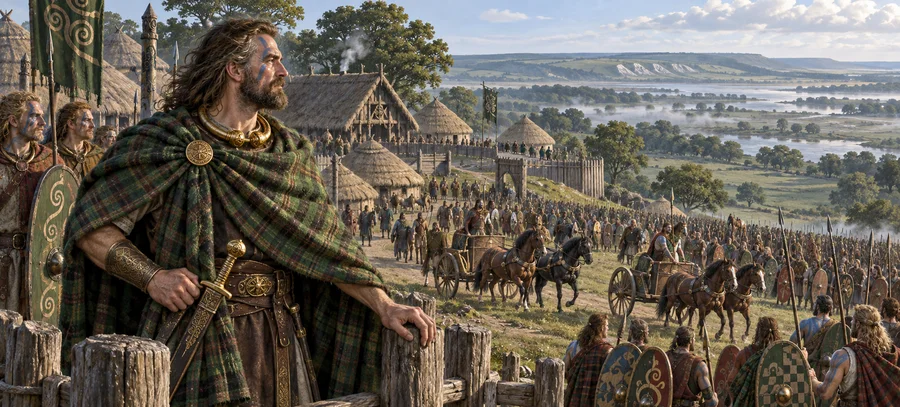
The kings of Camulodunum rule the richest tribes of an island at the edge of the world. The rest of Britain is held by rebel chiefs, with the Caledonians in the far north.
You start with 60,000 in the treasury and a Chariot Yard in your capital. Your army is the tribes themselves: you call them out by muster rather than recruiting them in the usual way.
Your long goal is to take Rome.
Call the Tribes
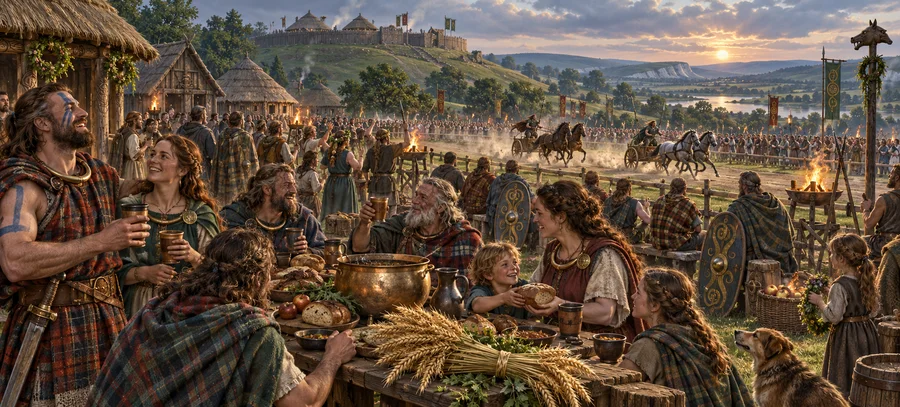
Before the reform you cannot recruit units normally. A settlement with a Chariot Yard orders a muster instead, and six warriors' bands arrive in its garrison when it completes.
| Muster | Cost | What comes |
|---|---|---|
| Raise the Spear-host | 15,000 | Spearmen, a swordsman band, head hurlers and slingers |
| Summon the Chariots | 20,000 | Three light chariots with spearmen, hurlers and slingers |
| Call the War-host | 15,000 | A balanced mix with a chariot |
| Gather the Skirmishers | 12,000 | Slingers and head hurlers with spearmen and a chariot |
- Allies join in: up to three Client Kingdom or Sworn Kin towns in the same region each send one more band.
- Better halls, better warriors: a Hall of the Chariot Lords puts a seasoned champion at the head of the muster. A Court of the Overking makes the whole core seasoned.
- Households under strain: every muster wears out the town that raised it and, less, each town that joined. Strain fades a little each turn; a town under severe strain cannot muster.
In a Sworn Kin town there is a chance that the second band comes as woad warriors, or heavy chariots in a chariot muster.
The Overking's Host
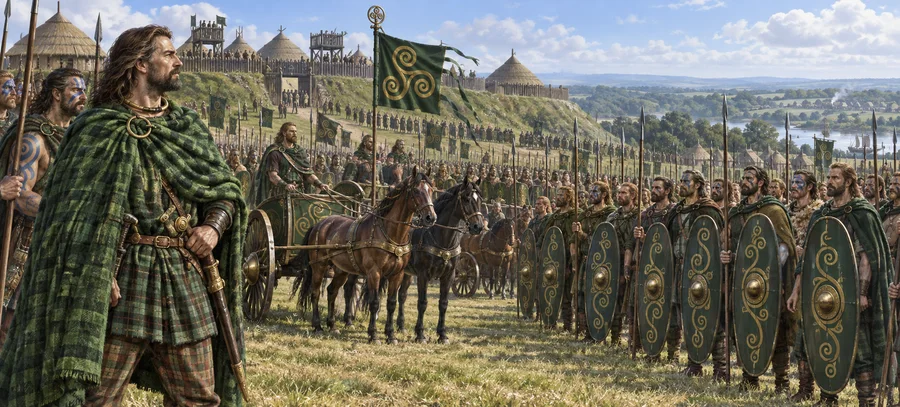
From turn 30, once you hold at least six settlements, the chariot lords propose a standing host. Paying 80,000 ends tribal musters for good and opens regular recruitment of British units. The price is paid even if it puts you into debt.
If you refuse, the question returns ten turns later.
Scroll through the host that the reform opens:
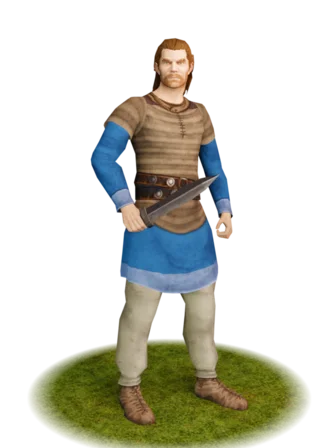

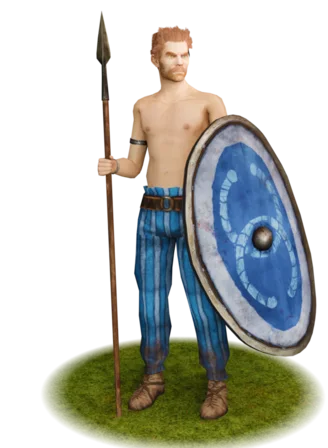

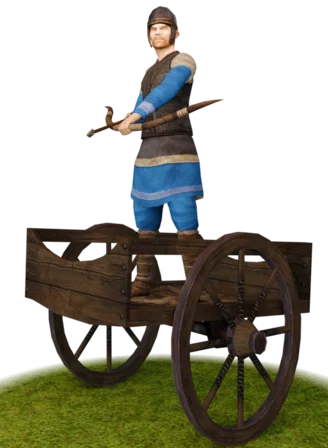
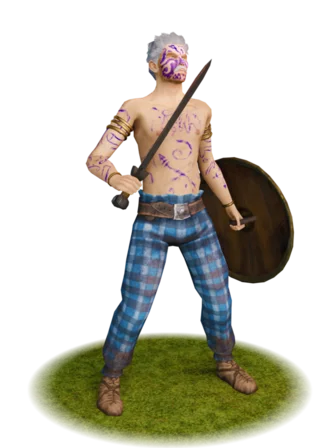
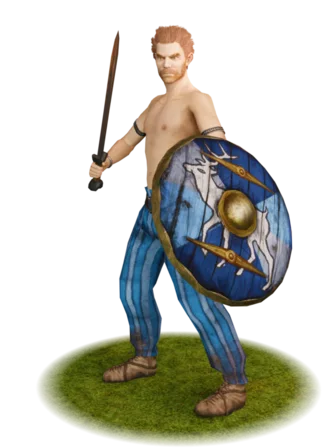
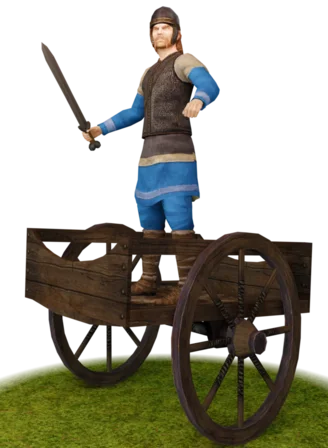
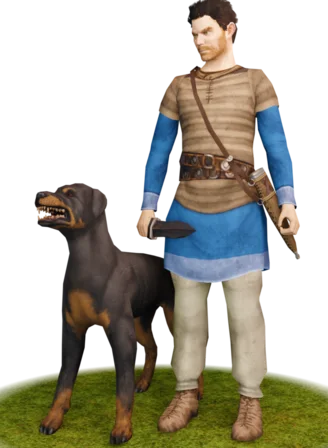
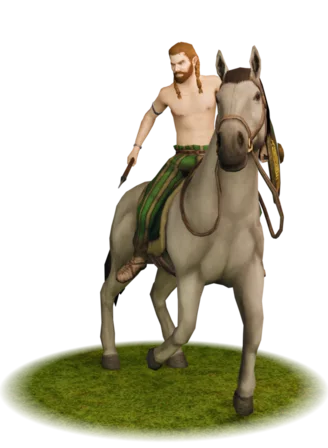
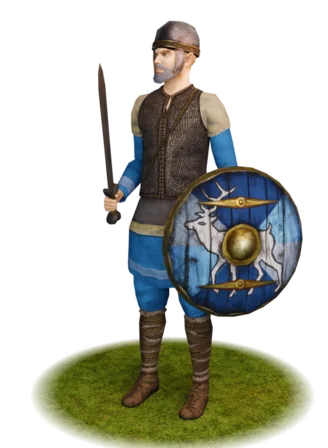
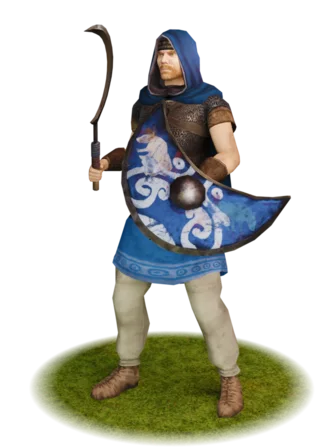
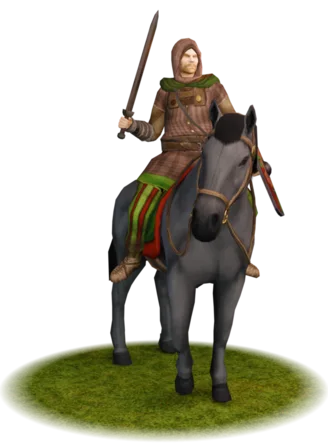
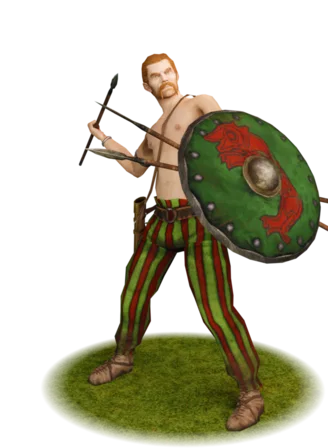
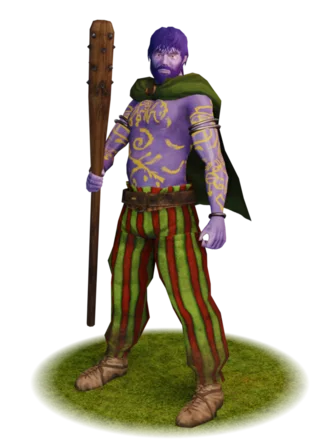
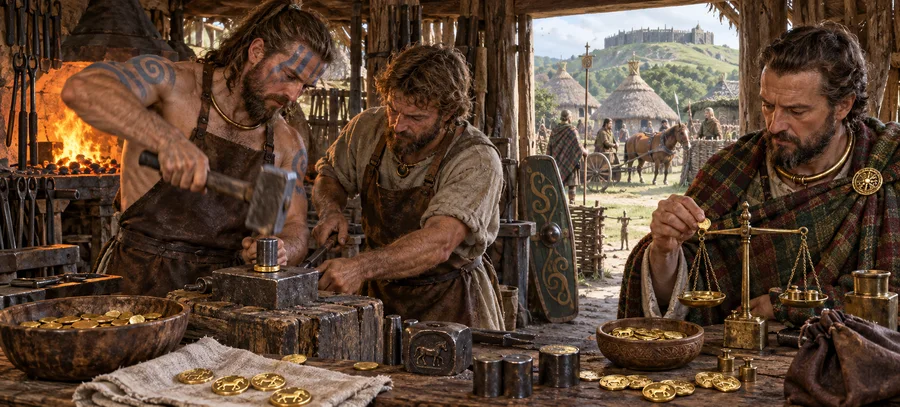
Mint of the Overking
Three great works, built one after another in your capital, turn a war-leader into a king of the whole island. Their effects reach every settlement you hold, and the progress is never lost, even if the capital falls.
The first is the Mint: 30,000, six turns, once you hold four settlements.
- +10% trade income everywhere.
- Large towns can raise a Hall of the Chariot Lords.
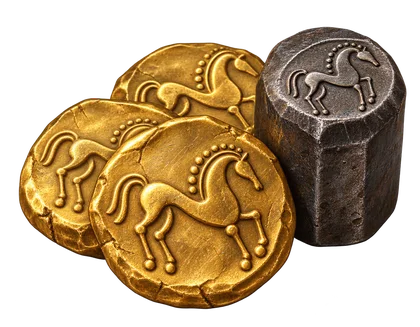 Mint of the Overking30,000 | 6 turns | 4 settlements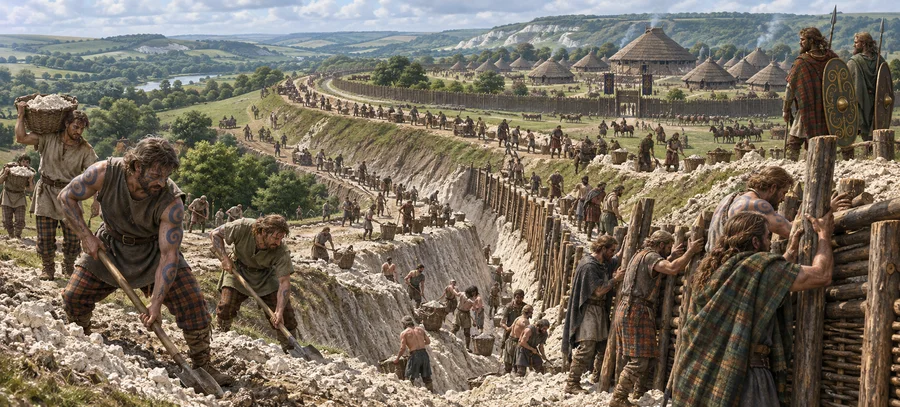
The Great Dyke
Thousands of hands raise ramparts no single tribe could command. 50,000, eight turns, with seven settlements, four of them in Britain.
- +1 law everywhere.
- Large towns can raise a Court of the Overking.
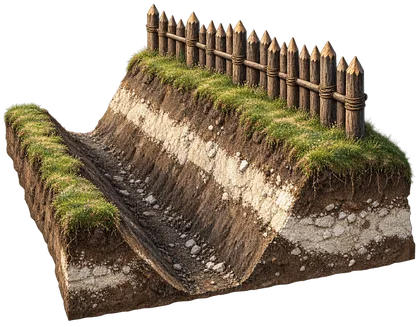 The Great Dyke50,000 | 8 turns | 7 settlements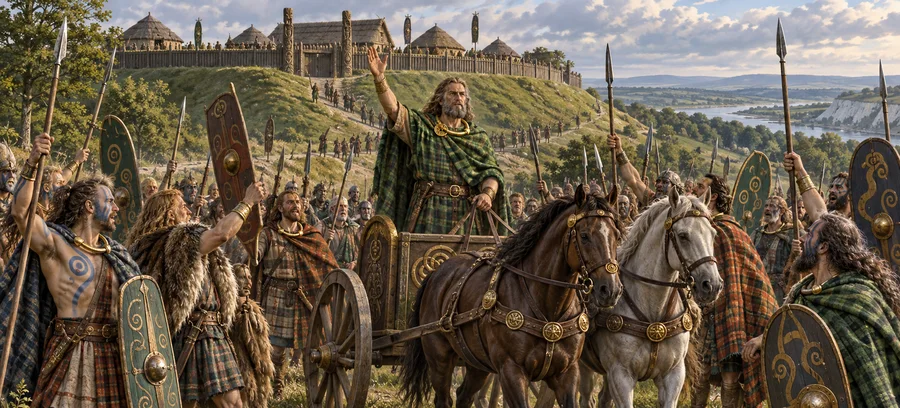
High King of the Island
The chiefs of every tribe acclaim one king. 65,000, ten turns, and you must hold all six mainland tribes: Camulodunum, Ictis, Deva, Isurium, Bremenium and Atauna.
- +10% public order everywhere.
 High King of the Island65,000 | 10 turns | all six tribes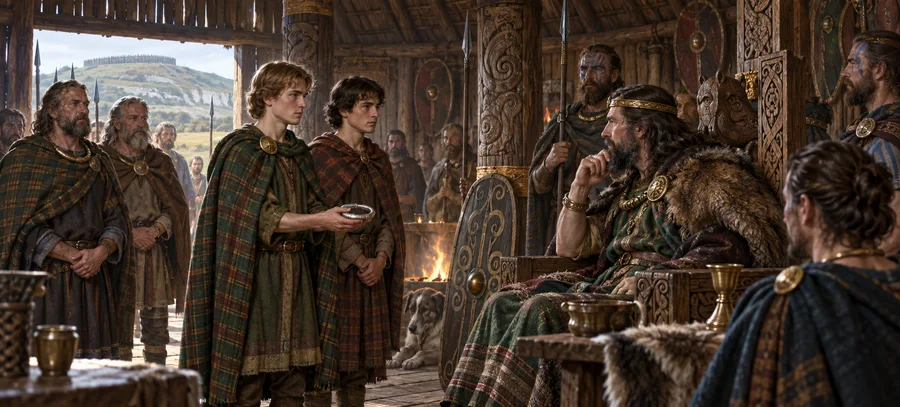
Tribes, Hostages and Druids
Conquered towns can be bound to you as a Tributary Tribe, a Client Kingdom or Sworn Kin. Breaking that bond has a price: casting a town out from the kin leaves it seething for years, and the other kin towns grow afraid.
Besides the common edicts and Abandon Settlement, the Britons have three of their own:
A town holding hostages never joins a British crisis.
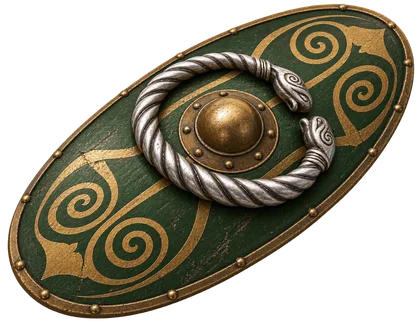 Take Hostages12,000 | +2 law, +10% public order, slower growth. Tributary and Client towns only
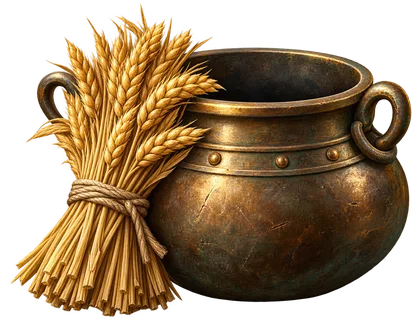 Feast of Lughnasa8,000 | +15% public order, -10% tax
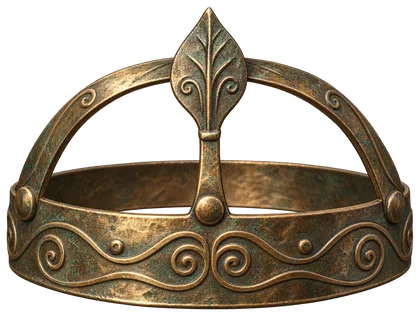 Druidic Assembly8,000 | +10% public order, +1 law, -10% tax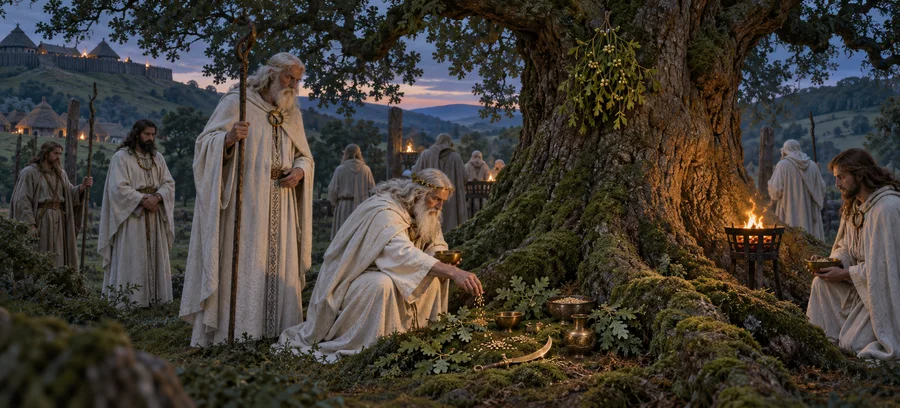
The Sacred Groves
From turn 20 a druid community may found a sacred grove in one of your large towns, up to four across the realm. You do not build it: it simply appears.
A grove gives +10% public order, and units recruited in its town gain experience.
Watch the Shores
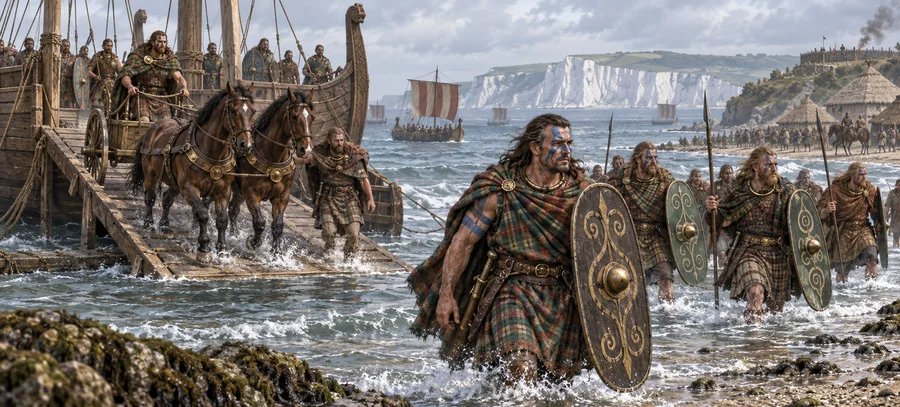
Britain is not left alone. Rome's friends in the south and the kings of Ireland may both test your rule. When envoys and warnings arrive, the choices you make decide how much of your island is at stake.
The Client Kings
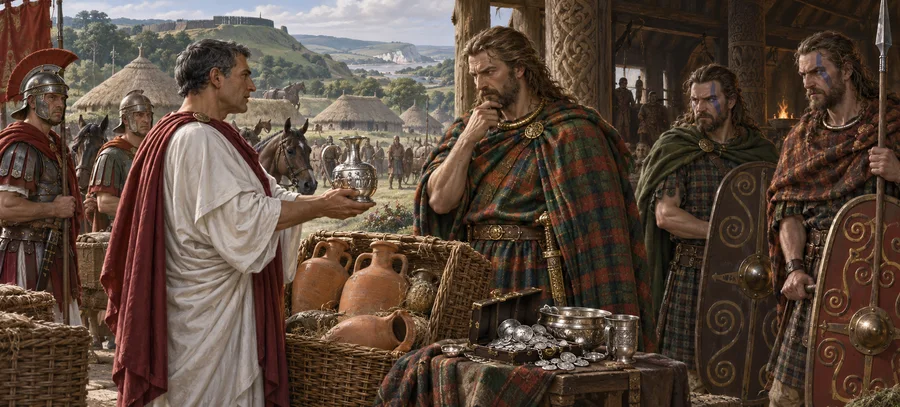
Pro-Roman nobles of the south seek Rome's protection. This can only happen while you are at war with a Roman faction, from turn 30 with at least eight settlements.
- Gifts for the Southern Nobles: paying 40,000 ends the danger.
- The Exiled Prince: sending him to the druids limits any rising to one town. Letting him go allows up to two more towns to join.
The rebel towns become the Romano-British kingdom, with a Romanised garrison and a war chest, allied to the Romans you are fighting. The rising never begins in your capital, your leader's town or a town holding hostages.
The Southern Rising
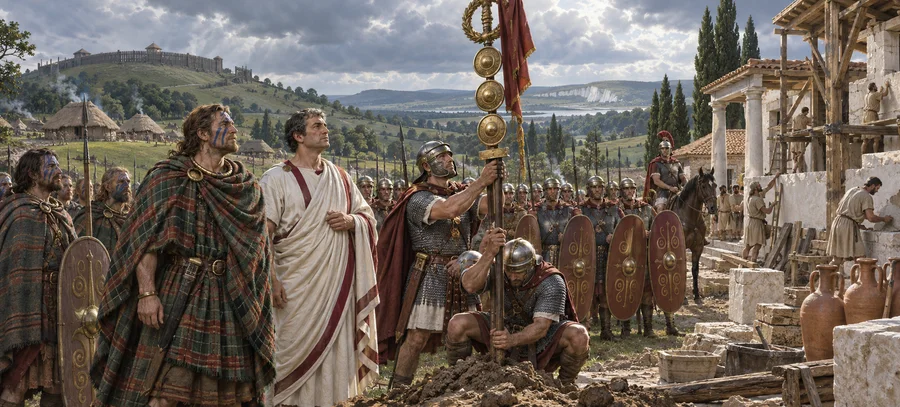
If the rising comes, retake the rebel towns quickly: each comes with a full garrison, and the new kingdom fights alongside Rome. Defeating it ends the crisis for good.
The Sea Kings of Eriu
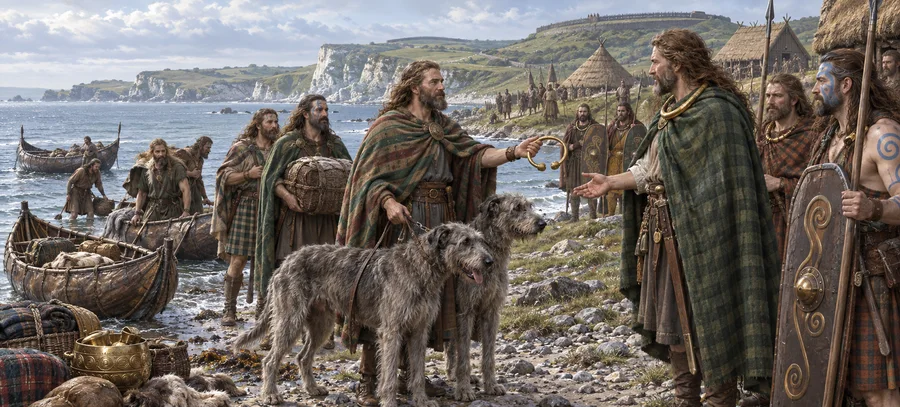
The kings of Ireland unite and look east. This can happen from turn 60 with at least twelve settlements, if you hold Deva or Ictis.
- Envoys from Emain Macha: paying 30,000 postpones the danger by twenty turns.
- Raids on the Western Shore: paying 40,000 keeps the rising in Ireland. Refuse, and Deva or Ictis may go over to the Irish.
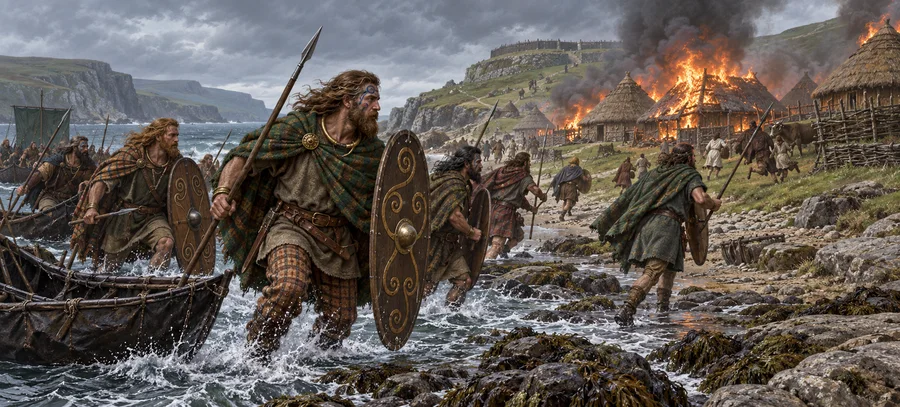
Raids on the Western Shore
The Irish towns rise as the Sea Kings of Eriu, with strong garrisons and gold to spend. Holding both Irish towns afterwards earns the Tribute of Eriu.

Lord of the Island
One-time announcements mark how far you have come:
- Lord of the Island: hold all six mainland tribes.
- Across the Narrow Sea: hold any town in Gaul.
- Tribute of Eriu: hold both Irish towns.
- High King of the Island: complete the third great work.
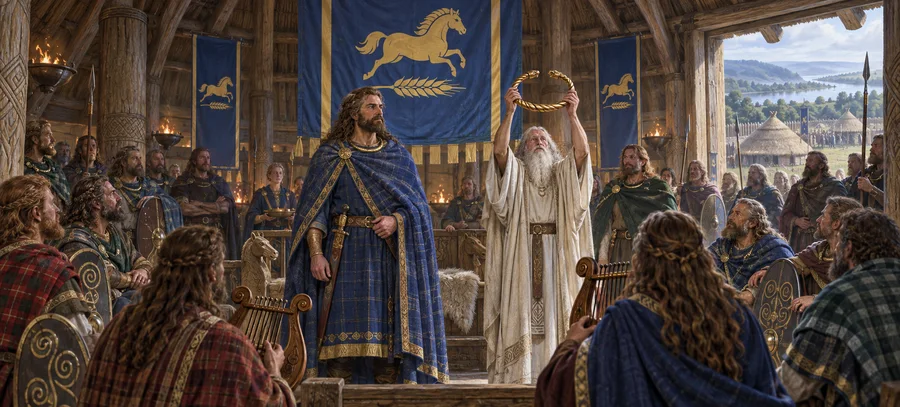
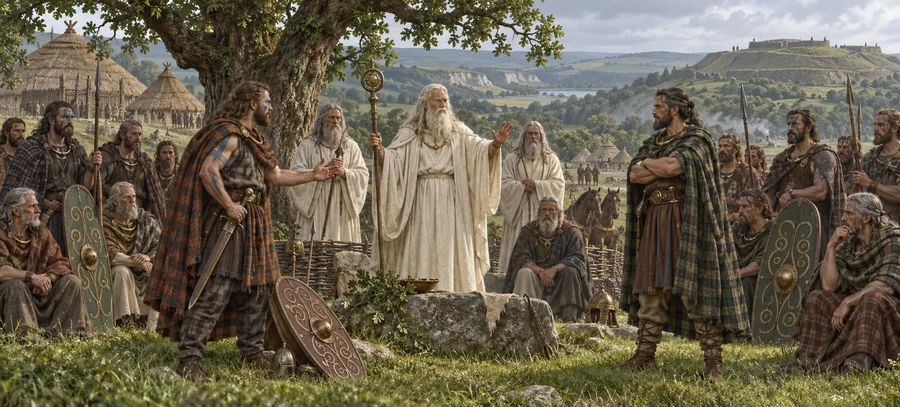
The Kingdom of Prydain
Once the reform is done, the High King stands complete, no crisis is under way and you hold at least two settlements, the bards ask whether the island deserves a name of its own.
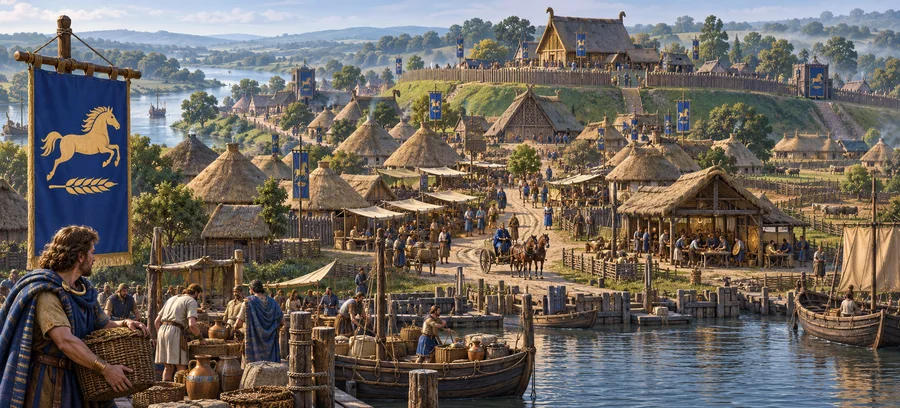
Proclaim it, and the Britons become the Kingdom of Prydain. It costs nothing. Your capital becomes the seat of the new realm; armies, towns, treasury and your king pass to the kingdom. Refuse, and the bards ask again in ten turns.
Great Royal Towns
Prydain has High Barbarian culture: its towns can finally grow into cities. The great works, statuses, edicts and the royal host carry over.
The kingdom trades the old tribal levy, slingers and warbands for Celtic ones, gives up the war dogs and hired horse, and gains wolfhounds, crossbowmen and gallowglass:
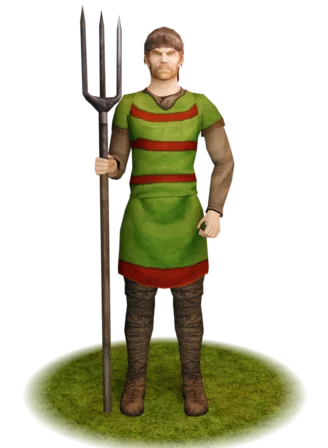
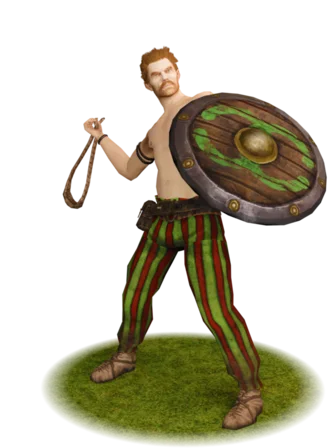
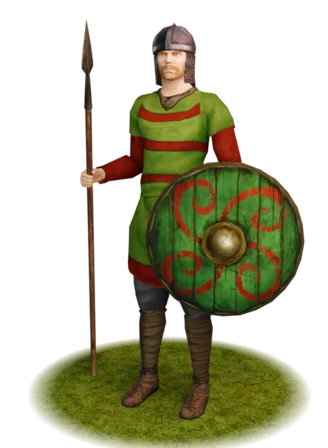
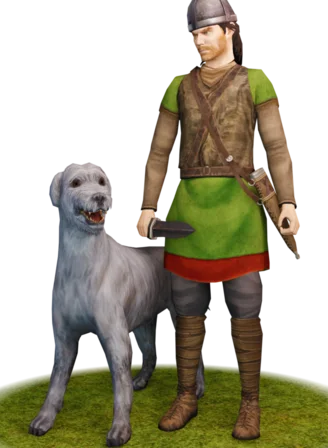
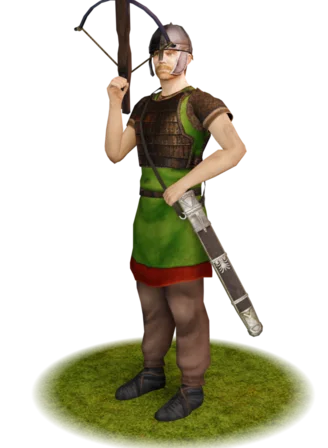
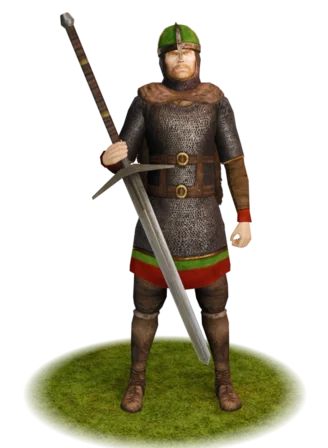
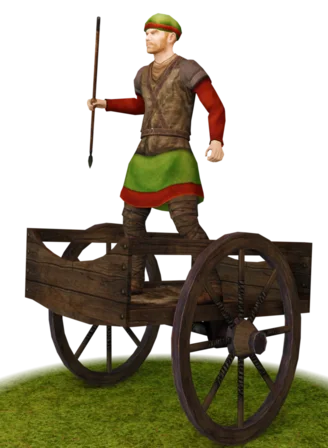
What the Bards Remember
Your generals remember their lives. They gain traits for the lands they visit, famous cities they see and take, the peoples they fight and the battles they win or survive. A British general carries Sworn to the Kings of the Island.
Under the new crown, generals carry Served the Kingdom of Prydain.
Two distinctions are uniquely British. Wanderer of the Western Isles (+1 influence) needs Britannia and Gaul visited and both Camulodunum and Emain Macha seen. Shield of the Island (+1 law) needs a victory over the Client Kings or the Sea Kings. Generals who served both crowns become Witnesses to the Making of Prydain.
8 chapters are sealed. They cover the crises that can strike Britain and what the Britons can become.
Field notes
- Make your home-region towns Client Kingdoms early: every muster from that region grows by up to three units.
- Spread musters across several Chariot Yards. A town worn out by musters cannot raise another.
- Always keep room in the garrison. A muster brings up to nine units and a garrison holds twenty.
- Build the Mint of the Overking before you expand far: it lets large towns raise a Hall of the Chariot Lords.
- In a short campaign, outlive the Caledonians and the Julii.