
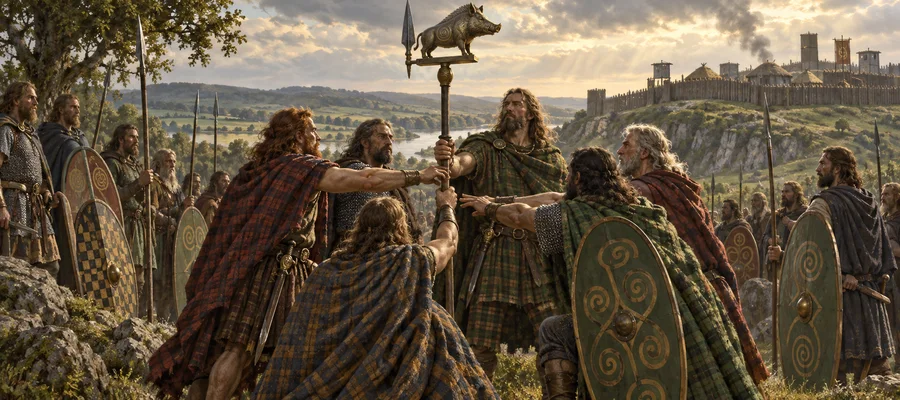
The Council of the Tribes
Brennus leads the council of the Gauls from Avaricum, with Bibracte as his second town. Both are large towns. Around them lie dozens of independent tribes, and beyond the Alps, Rome.
You start with 50,000 in the treasury and Tribal Muster Grounds in your capital. You have no standing army: you call the households to war by muster. Ships are built as usual.
Your long goal is to take Rome. AI Gauls recruit in the usual way.
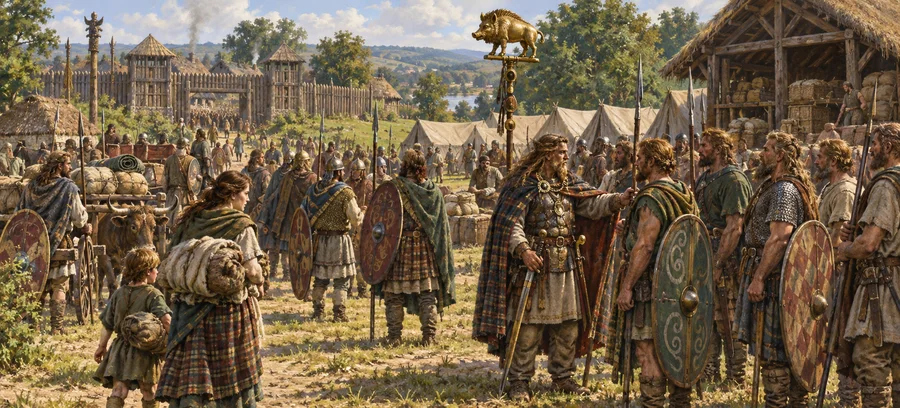
Call the Host
You cannot recruit land units normally. A town with Tribal Muster Grounds orders a muster instead, and six bands arrive in its garrison at the start of your next turn.
- Muster Grounds: Focus: Establish Muster Grounds costs 10,000 and takes one focus slot.
- Orders: a muster order takes one turn and needs at least a town.
- Allies join in: up to four Allied Tribes or Confederate Tribes towns in the same region each send one more band: Swordsmen, with Barbarian Cavalry as the third; Forester Warbands and Naked Fanatics if you muster in Britannia or Germania.
- People: a muster takes 500 people from its town and 100 from each ally that joins.
- Delays: a siege or a town too small to spare the men holds the order back. It is never lost and arrives once the town can send it.
In a Confederate Tribes town there is a chance that the second band comes as Swordsmen, or as Barbarian Noble Cavalry when mustering riders.
 Muster the Spear Warbands15,000 | 3 Warband, Swordsmen, Skirmisher Warband, Forester Warband
 Muster the Riders20,000 | 3 Barbarian Cavalry, Warband, Skirmisher Warband, Forester Warband
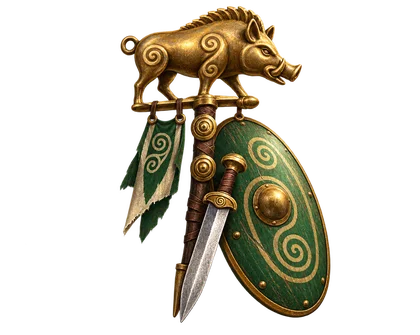 Muster the Tribal Host15,000 | 2 Warband, Swordsmen, Barbarian Cavalry, Skirmisher and Forester Warbands
 Muster the Hunters12,000 | 2 Skirmisher Warband, 2 Forester Warband, Warband, Barbarian Cavalry
Households Under Strain
Every muster leaves fields without hands. The town that raised it falls under strain, and so does every town that sent a band. A marker, Households Under Strain, shows how bad it is:
| Strain | Effects in the town |
|---|---|
| Light | Slower growth, -5% public order |
| Moderate | Slower growth, -10% public order, poorer farming |
| Severe | Slower growth, -15% public order, poorer farming, -10% trade income. No new muster orders |
Strain fades every turn. One muster leaves light strain that is gone after three quiet turns. A town that musters every turn reaches severe strain by the fourth muster. Sending a band to a neighbour's muster costs a town almost as much as raising its own.
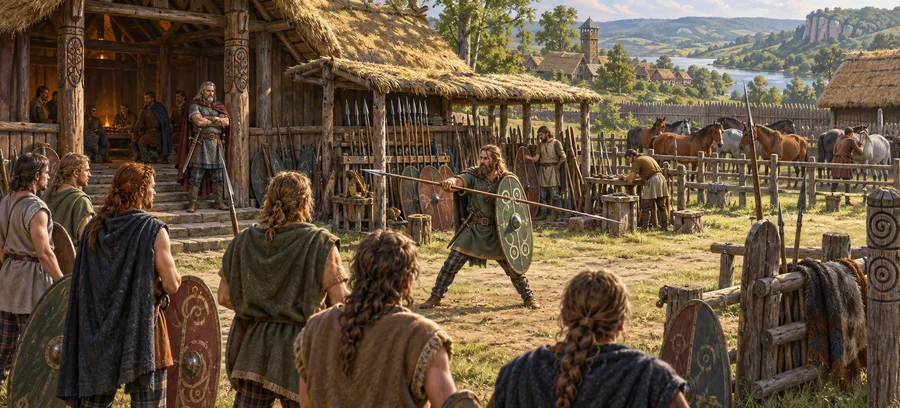
The Warriors' Hall
Your Muster Grounds upgrade into a Warriors' Hall: 30,000, three turns.
- Every muster raised in a town with a hall is led by a seasoned champion: Chosen Swordsmen, or Barbarian Noble Cavalry when you muster the riders.
- Only your capital can raise a Warriors' Hall. Your capital starts large enough, so you can build it on the first turn.
The greater Hall of the Oathsworn is beyond the reach of the tribes. It belongs to a united Gaul.
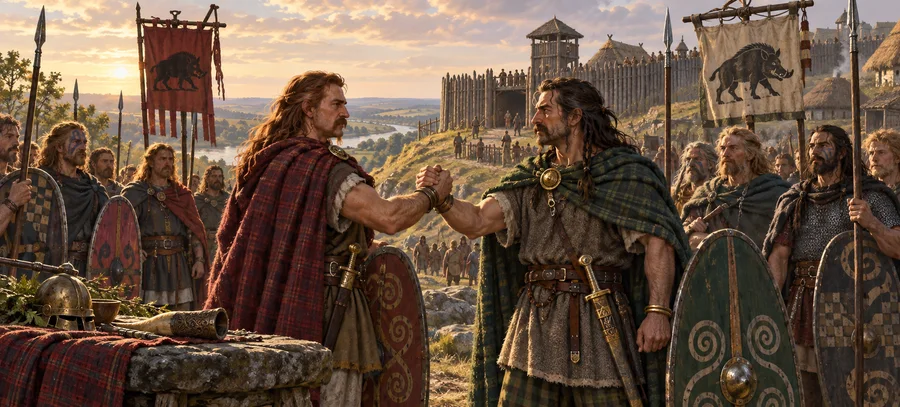
Tributaries, Allies and Confederates
The statuses work as described in Governing the Realm, under Gallic names:
| Status | Order to raise it | Cost |
|---|---|---|
| Tributary Tribes | Conquered towns start here | |
| Allied Tribes | Recognise Allied Tribes | 10,000 |
| Confederate Tribes | Recognise Confederate Tribes | 30,000 |
For the Gauls, status is also military. Allied and Confederate Tribes send bands to musters raised in their region, and the union of Gaul is built on Confederate Tribes.
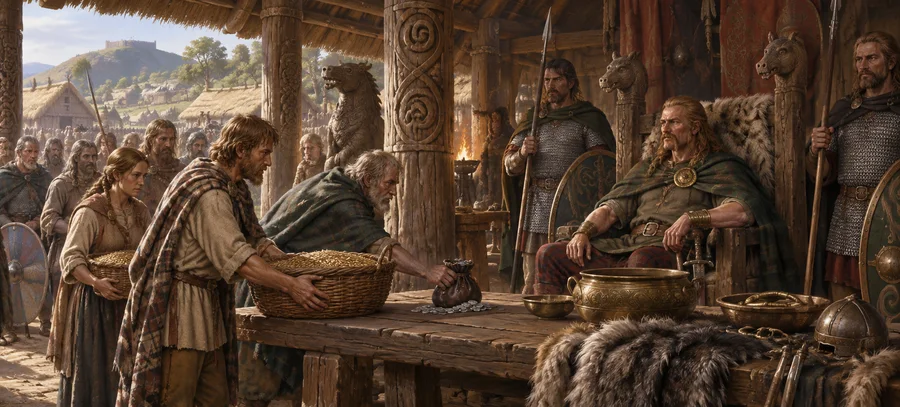
Chiefs, Assemblies and Retinues
The Gauls have the six common edicts under their own names (Remit the Tribute, Count the Hearths, Protect the Fairs, Teach the Common Traditions, Honour the Local Gods, Keep the Wells Clean) and Abandon the Settlement. Two more are Gallic, and a third waits for the Confederation. All need at least a town.
 Chiefs' Tribute10,000 | +30% tax, -10% public order
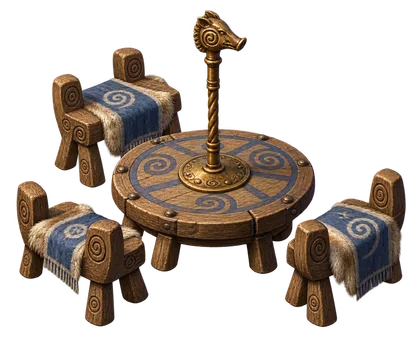 Assembly of the Tribes8,000 | +15% public order, +1 law, -10% tax
 Household Retinues12,000 | Confederation only: +1 experience for recruits, +1 law, -10% tax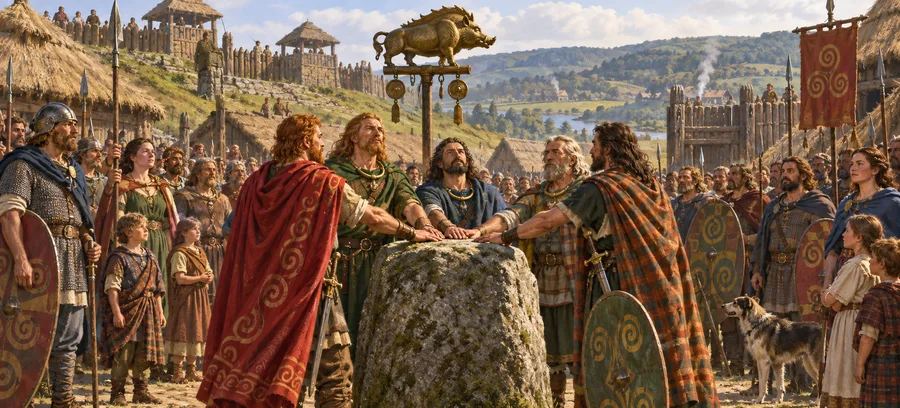
One Council for Gaul
Musters win wars, but they will not hold an empire. The great goal of the Gauls is the Gallic Confederation: one council, a permanent army and a Gaul that can stand against Rome.
The chiefs will not agree to it lightly. They need time, a large realm with a firm heartland in Gaul, and many towns sworn as Confederate Tribes. When Gaul is ready, the council asks you. You may refuse and keep the musters; the question returns later.
The council asks from turn 40, once you hold 24 settlements, at least eight of them in the Gallia region and at least six of them Confederate Tribes. If you refuse, it asks again ten turns later.
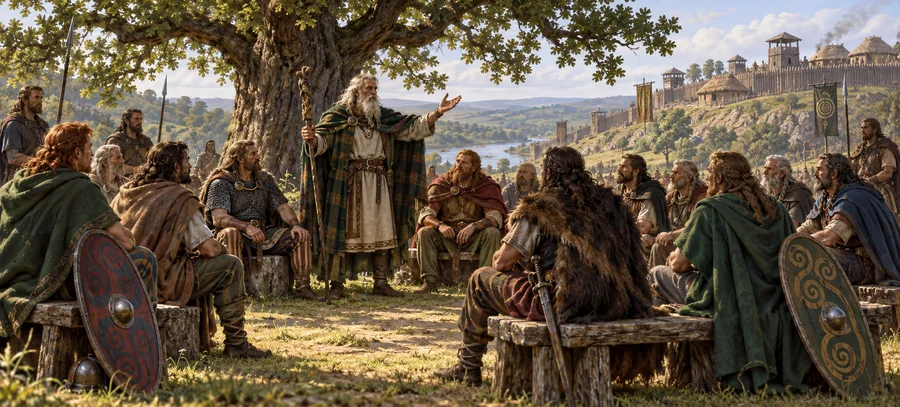
Oaths and Grievances
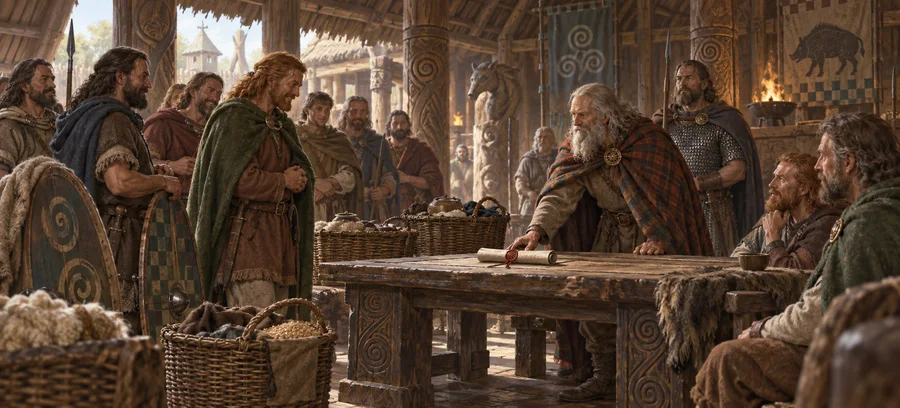
The council rules by consent, and consent can be withdrawn. In some campaigns the great chiefs, or the hard-pressed countryside, will test it. When their demands arrive, the answers you give decide how much of Gaul is at stake.
Beyond the Rhine, the world does not stand still either.
Patrons of the Tribes
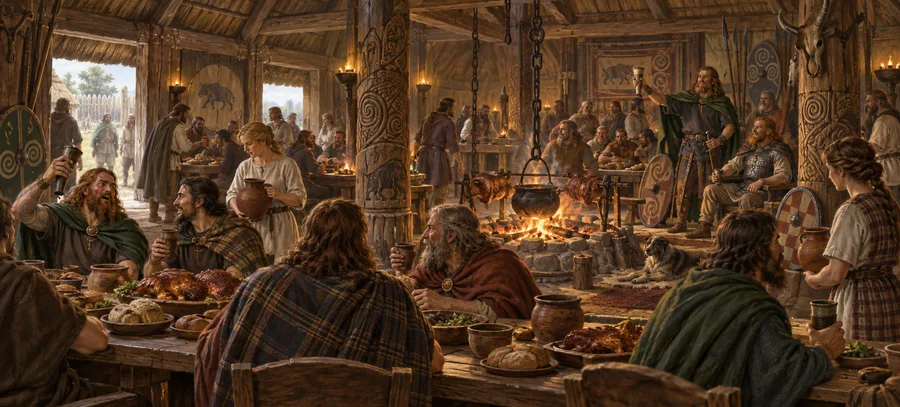
From turn 15, a wealthy household may found a patron building in one of your towns with a High King's Hall. You do not build it: it simply appears. A town holds at most one, and the realm at most six.
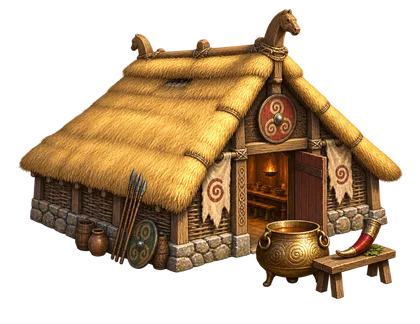 Patron's Feast Hall+10% public order, on top of the hall itself
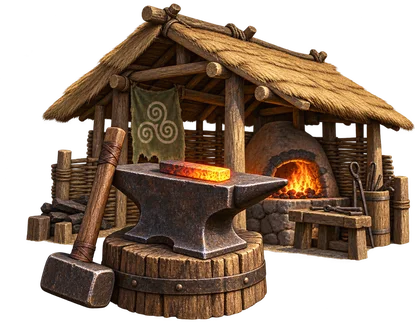 Master Craftsmen's Quarter+10% trade income. Confederation: recruits gain experience, Confederate Ballistae
 Sacred Grove+1 health, +10% public order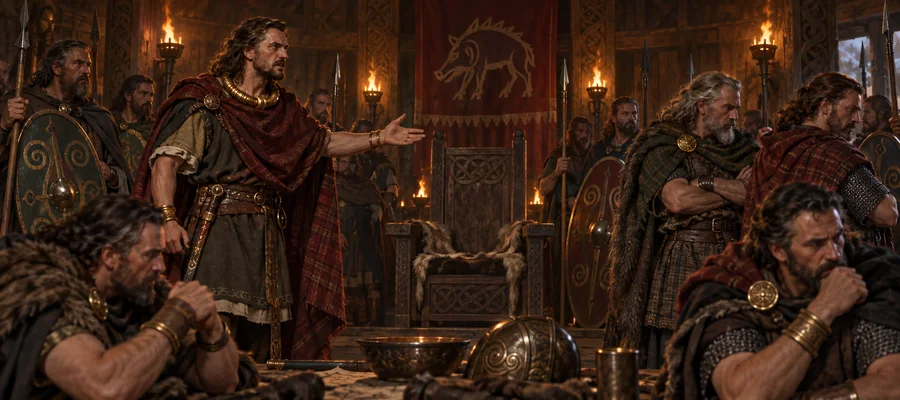
The War of the Torcs
The great chiefs gather their own assembly against the council. In some campaigns this crisis is possible; it can begin from turn 30 once you hold at least 12 settlements.
Three demands follow one another: The Weight of Gold, The Chiefs' Assembly and The Last Oath.
If it comes to war, up to three towns go over to the League of the Torcs. Their garrisons are veteran nobles: Chosen Swordsmen, Swordsmen and Noble Cavalry, with a large war chest behind them.

The Bagaudae
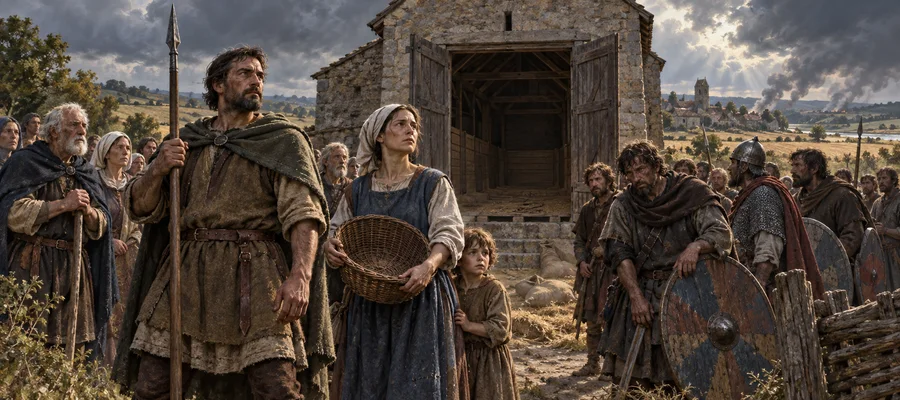
Farmers, debtors and deserters take up arms against the burdens of war. In some campaigns this crisis is possible; it can begin from turn 70 once you hold at least 18 settlements.
Its demands are Empty Granaries, Men Without Masters and The Country Assemblies.
If it comes to war, up to five towns join the Bagaudae, each with a large garrison of warbands, swordsmen, skirmishers and a few riders.
Only one crisis runs at a time, but both can come in the same campaign, before or after the Confederation.
The Council's Answer
Each demand waits four turns for an answer; silence counts as No. The next demand comes a few turns after the last answer.
Every Yes grants Council Concessions in every town you own. They cost no gold, but each agreement deepens the tax loss, and they last twenty turns from the latest agreement:
| Agreements | Concession | Tax |
|---|---|---|
| 1 | Council Concessions | -20% |
| 2 | Council Concessions - Extended | -40% |
| 3 | Council Concessions - Extensive | -60% |
- Three Yes: the crisis is averted (Oaths Renewed or Peace in the Countryside).
- Fewer: the rising comes a few turns later. Each Yes means one town fewer joins it, and two or more also shrink every rebel garrison.
The rising begins in one of your towns, never your capital, never the town where your faction leader stands and never a town under siege. More towns then go over, and your generals inside them change sides with the town. The rebels declare war on you. The crisis ends when they lose their last town.
Gaul Stands Together
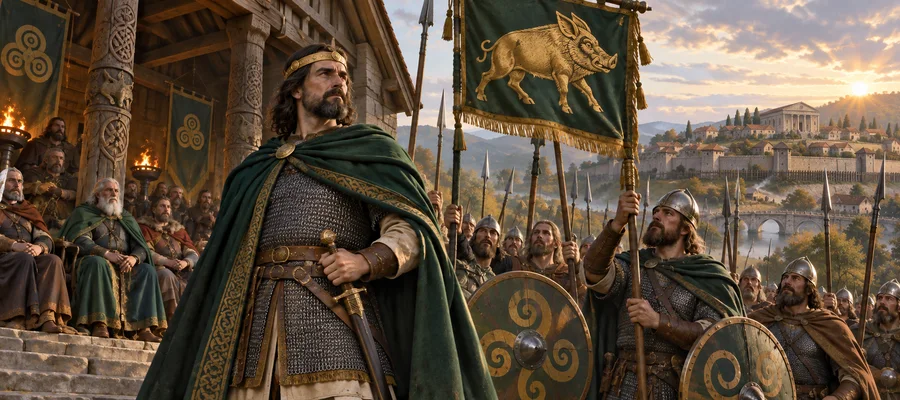
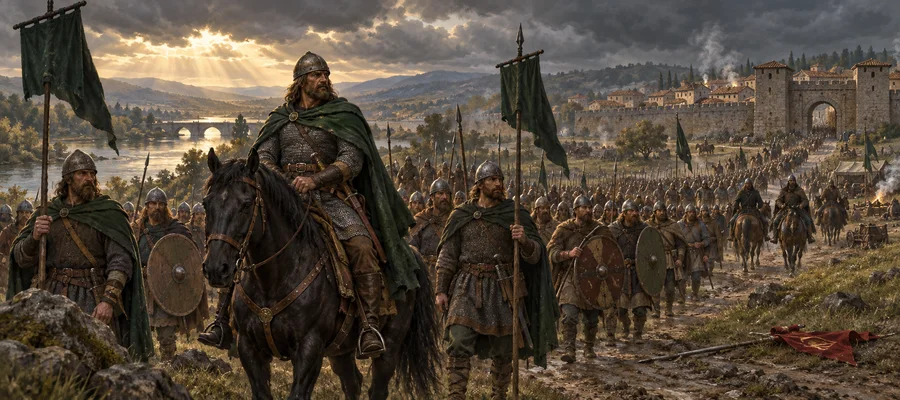
Say Yes to the council, and your capital becomes the seat of the new realm. It rises briefly in a controlled revolt that founds the Gallic Confederation; then control passes to it, and your towns, armies, characters and treasury follow, debts included. Your wars and alliances carry over, and your faction leader stays at the head.
The handover can take more than one turn. If the capital is under siege, it waits; if the founding fails, it is tried again three turns later.
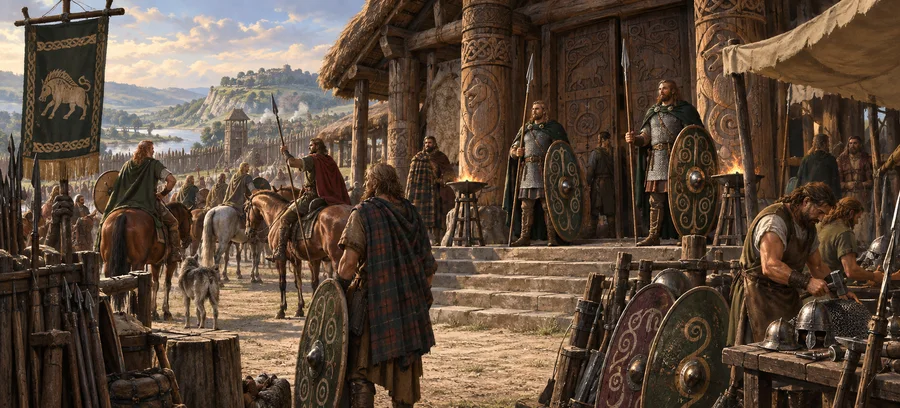
The Standing Host
The Confederation has High Barbarian culture. Two new government halls, the Hall of the High Council and the Seat of the Confederation, let its towns grow into cities.
- Musters end. Orders already queued still arrive. The Muster Grounds become Training Grounds of the Host, and you recruit a permanent army.
- Halls: the Warriors' Hall needs a Hall of the High Council (your capital: from large town). The Hall of the Oathsworn needs the Seat of the Confederation (your capital: once it has a Hall of the High Council).
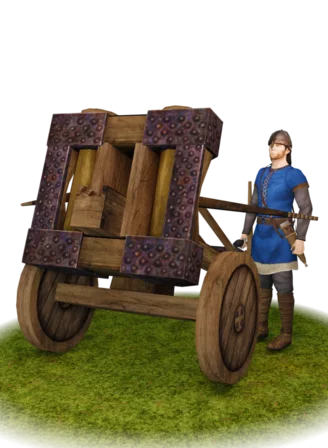
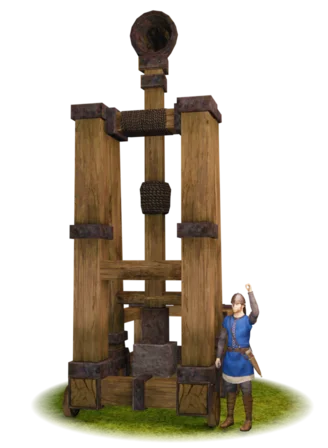
- New for the Confederation: the Household Retinues edict, and the Master Craftsmen's Quarter trains recruits and builds ballistae.
- New goal: hold Rome and take 50 regions.
Household strain still fades as before. Scroll through the standing host:









A King Beyond the Rhine
Late in the game the peoples of the north begin to move. Their arrival is not tied to one turn: it can come from turn 60 once you hold 50 settlements, can come later in some campaigns whatever your size, and from turn 180 it comes regardless. Either the Franks or the Huns come first; the other follows many years later.
When the Franks gather a king, northern towns near Atuatuca, Samarobriva, Cenabum, Mattium, Tulisurgium and Teutoburgum may go over to him. Envoys bring offers, each open for three turns:
- The Price of Friendship (50,000): buys time and keeps some of their best riders at home.
- Keep the Roads Open (80,000 per town): keeps one threatened town loyal, unless an army takes it by force.
- A Confederation Divided (100,000): keeps one chief's followers out of the war.
After the Franks, six more peoples rise one by one: Saxons, Alemanni, Burgundians, Lombards, Vandals and Goths.
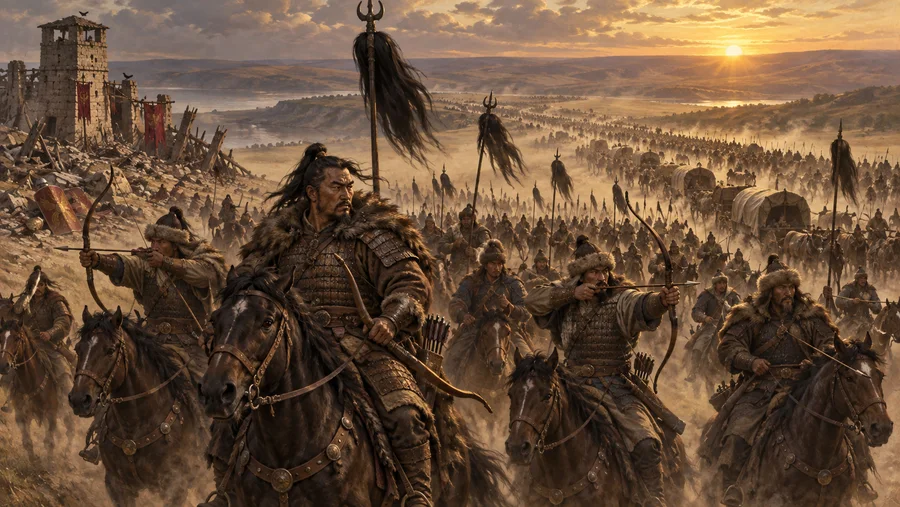
The Huns Have Come
The Huns arrive from the eastern steppe as a true migrating horde: many full armies and a vast treasury, with no home to defend. They go wherever resistance fails.
Watch the eastern approaches, keep your field armies whole and do not count on a quiet frontier.
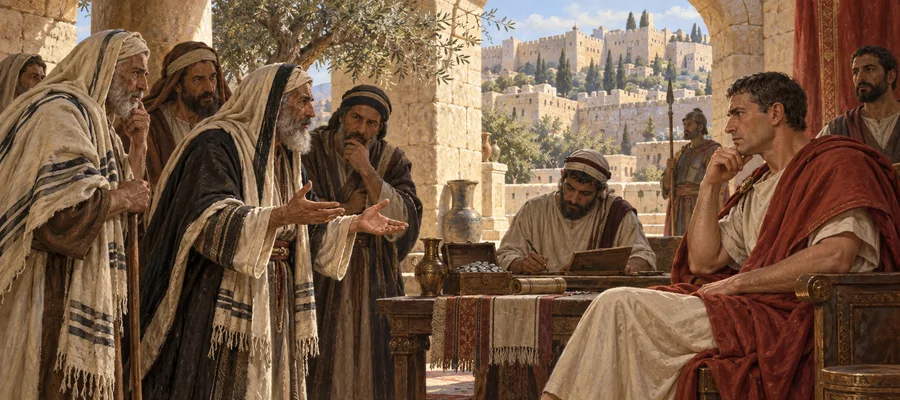
Far Jerusalem
If your conquests ever reach Jerusalem, you may face its elders from turn 150. Three petitions follow: restitution (50,000), a charter for the city's customs, and the local council's terms.
Granting all three averts the revolt. Each refusal makes the uprising larger, up to a full revolt with armies in the field. A chartered Jerusalem pays less tax and never sends men to your musters.
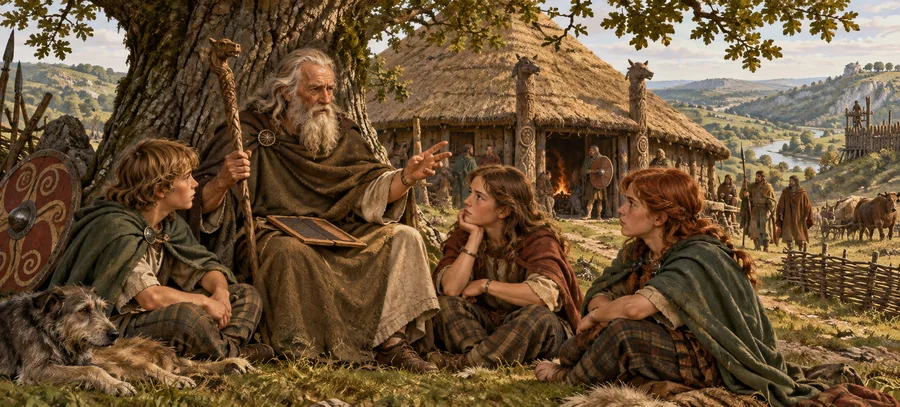
What the Elders Remember
Your generals remember their lives. They gain traits for the lands they visit, famous cities they see and take, the peoples they fight and the battles they win or survive. A Gallic general carries Served the Tribal Councils; under the union, Swore the Confederate Oath.
Two distinctions are uniquely Gallic. A Voice Beyond the Clans (+1 influence) needs Gallia, Germania and Britannia visited and turns spent in Bibracte. Keeper of the Oaths (+1 law) needs victories over both the League of the Torcs and the Bagaudae. Generals who served both the council and the Confederation become Witness to the Great Union.
9 chapters are sealed. They cover the crises that can split the council, the founding of the Confederation and what it brings, and the peoples on the move beyond the Rhine.
Field notes
- Build the Warriors' Hall in your capital early: every muster raised there is led by a seasoned champion.
- Keep ten free garrison slots in a town before its muster completes.
- Rotate musters between towns. A town that musters every turn is soon too worn out to muster at all.
- Make towns in your main regions Allied Tribes: each one adds a band to every muster raised in its region.
- Raise loyal towns to Confederate Tribes in good time. The union of Gaul needs them.
- In a short campaign, outlive the Julii and the Senate.