
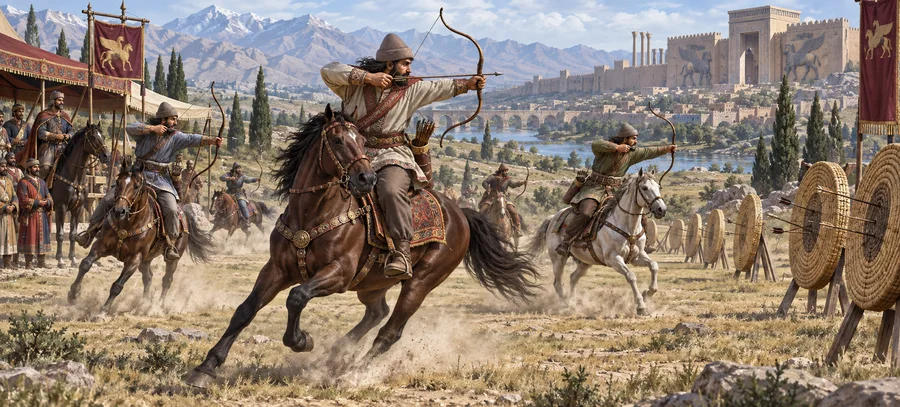
The Arsacid Inheritance
The Arsacid kings rule two large towns on the edge of the steppe: Nisa, your capital, and Asaak. To the west lie the rich lands of the old Persian kings, held by the Seleucids.
You start with 60,000 in the treasury and a Noble Military Estate already standing in Nisa, so you can train Persian Cavalry and Cataphracts from the first turn. Your starting armies become Parthian campaign units; generals and ships are unchanged.
Your long goal is to take Rome.
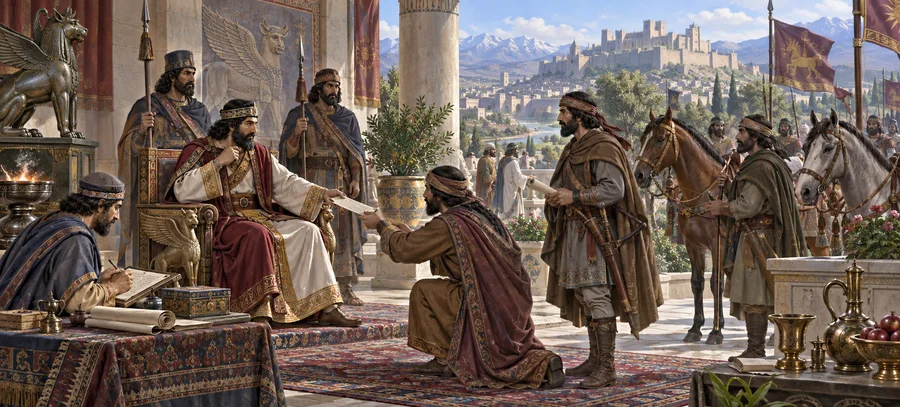
The Royal Offices
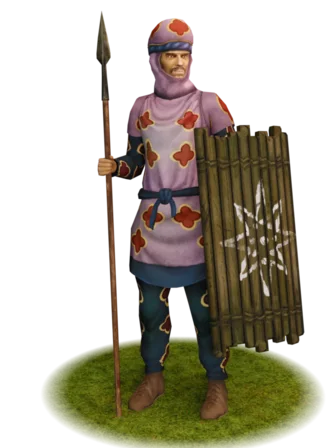
Parthia recruits in the normal way: no musters, no levy orders. Ordinary foot comes from the government building of each town, which the Parthians call the royal offices:
| Government building | Adds |
|---|---|
| Royal Village Office | Peasants, Slingers |
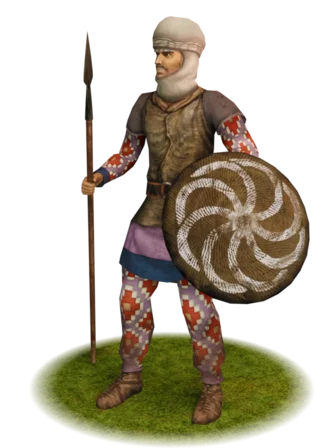
| Royal Town Office and larger | Hillmen, Archers |
These troops are cheap and quick to train. They hold towns and screen your horsemen; the cavalry wins the battles.



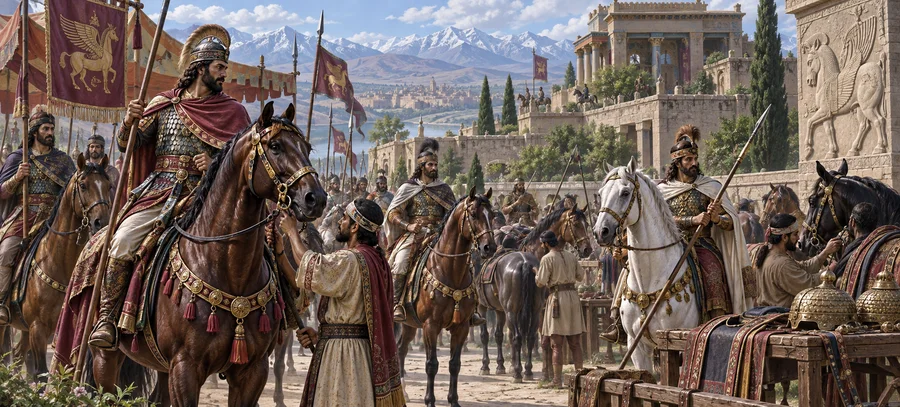
Horses and Noble Estates
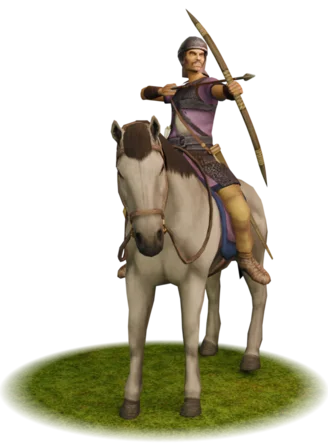
Your cavalry comes from the military focus. It upgrades in place, and each stage keeps the troops of the one below, so horse archers stay available everywhere:
| Stage | Cost | Adds |
|---|---|---|
| Horse-breeding Grounds | 10,000 | Horse Archers, Eastern Infantry |
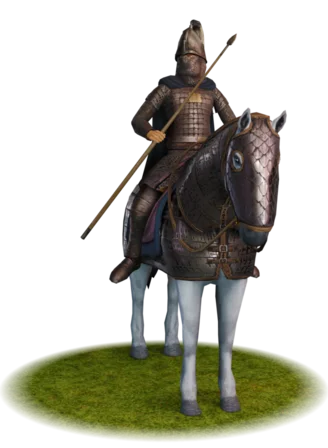
| Noble Military Estate | 30,000 | Persian Cavalry, Cataphracts |
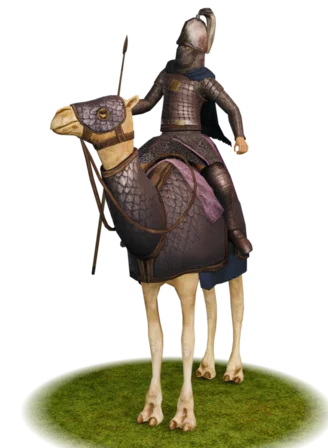
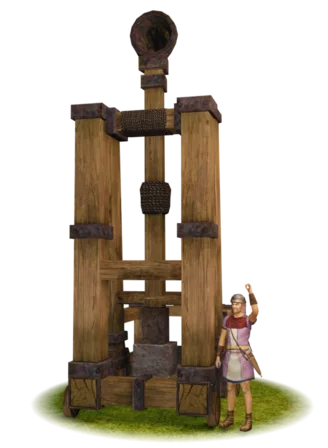
| Royal Cavalry Establishment | 60,000 | Cataphract Camels, Onagers, War Elephants |
Your capital can build the Estate and the Establishment one town size earlier than other towns. See Governing the Realm for sizes and upkeep.
- Cataphract Camels need desert horses: only towns in Arabia, Mesopotamia or Persia can train them.
- War Elephants draw on an empire-wide herd: each elephant resource you hold allows three, and one more becomes available every ten turns.


The Great Houses
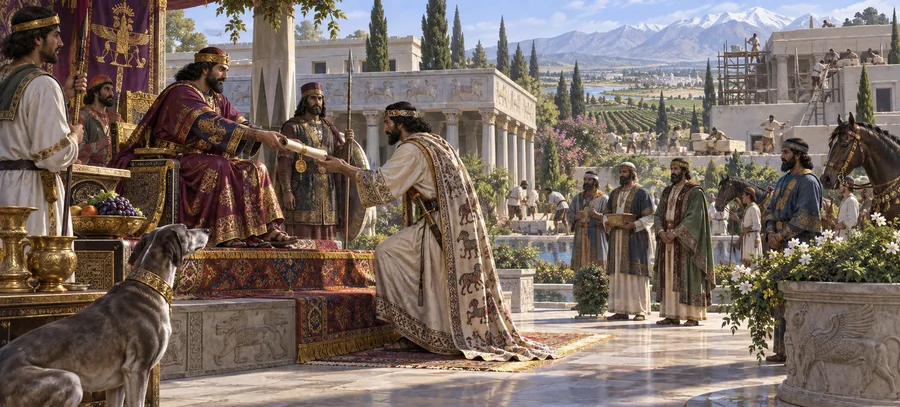
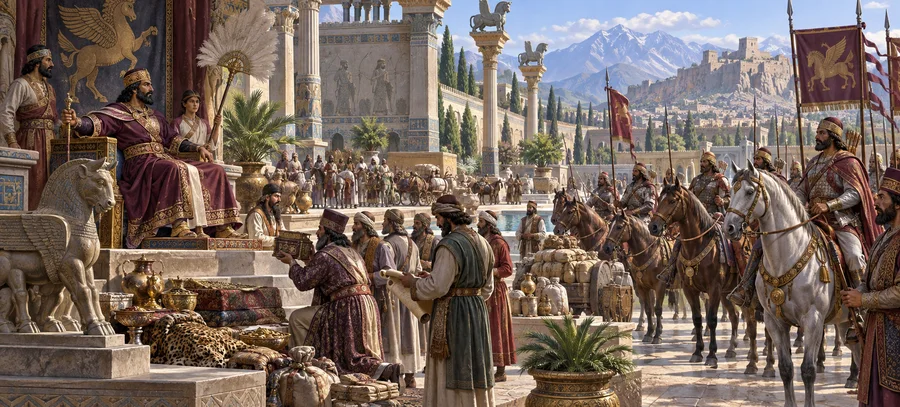
Your real rival at home is the nobility. Every town you own carries a Great Houses marker that records two things:
- Rank: how much of the town's wealth the houses hold. Higher ranks cost you tax and trade, but the people are calmer under their lords.
- Mood: content, or Disaffected. Mood does not change the numbers, but disaffected houses will back a rival king.
| Rank | Tax | Trade | Public order |
|---|---|---|---|
| Modest Estates | 0 | 0 | 0 |
| Favoured Houses | -10% | -10% | +5% |
| Entrenched Magnates | -25% | -20% | +10% |
| Lords of the Province | -45% | -40% | +20% |
| The Crown in Name Only | -70% | -60% | +30% |
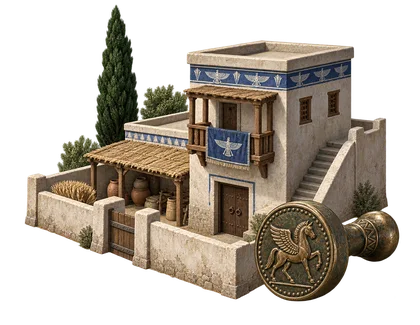 Modest EstatesNo effect
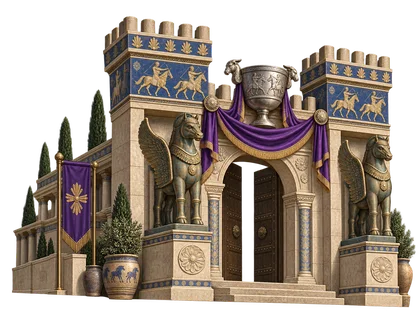 Favoured Houses-10% tax and trade, +5% order
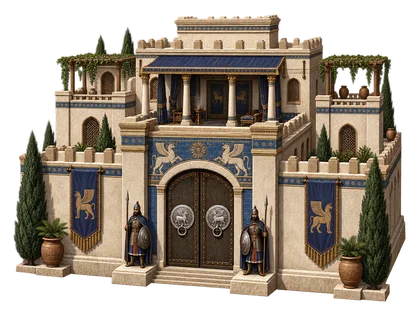 Entrenched Magnates-25% tax, -20% trade, +10% order
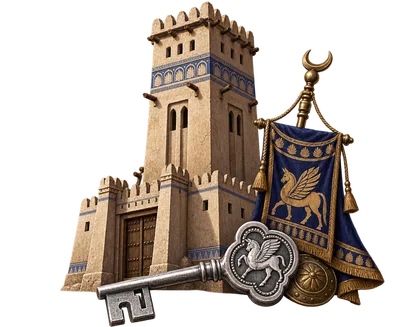 Lords of the Province-45% tax, -40% trade, +20% order
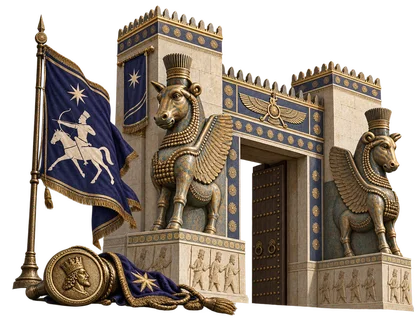 The Crown in Name Only-70% tax, -60% trade, +30% order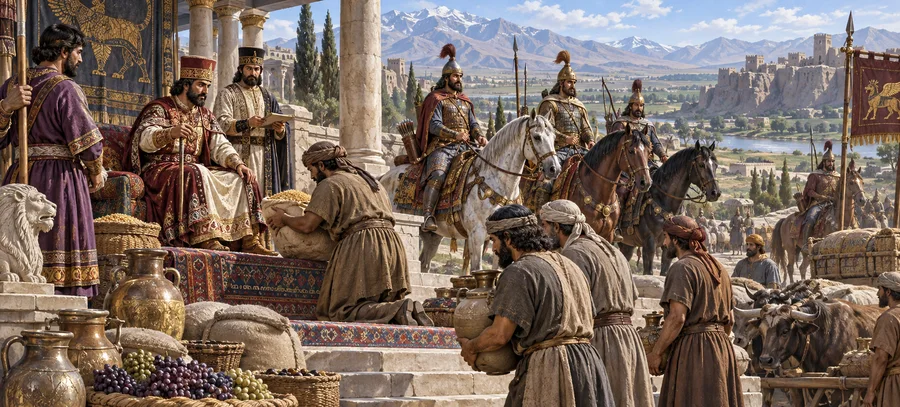
How the Houses Grow
You never build the Great Houses marker. It appears in every town and changes with your decisions:
- Your first town in a region starts with Favoured Houses, content. Your two starting towns begin this way.
- Every later town in that region copies the strongest houses you already have there, including their mood. Expanding into a region of powerful, angry lords spreads them.
- The council raises or curbs the houses of a whole region at once.
- The Royal Court lowers every estate in the kingdom and caps how high they can climb.
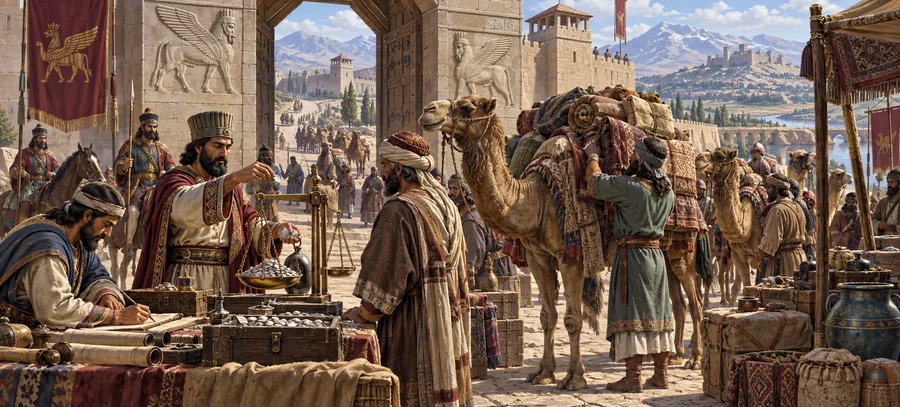
The Royal Council
From turn 8, about every eight turns, the court may face a dispute with the houses of one region. Your answer applies to every town you own in that region. You have four turns to answer; an ignored dilemma counts as No.
| Dilemma | Yes | No |
|---|---|---|
| The Houses Offer Their Horsemen | Houses rise one rank, content. Two Persian Cavalry and four Horse Archers arrive in one town of the region | Rank unchanged; houses disaffected |
| Collection of the Royal Dues | Pay 20,000. Houses fall one rank, disaffected | Houses rise one rank, content |
| An Estate Without an Heir | Houses fall one rank, disaffected | Houses rise one rank, content |
| Judgement Against a Great House | Pay 30,000. Houses fall one rank, disaffected | Houses rise one rank, content |
The choice is usually money against loyalty: curbing the houses angers them, indulging them costs you income. Payments go through even if they put you into debt.
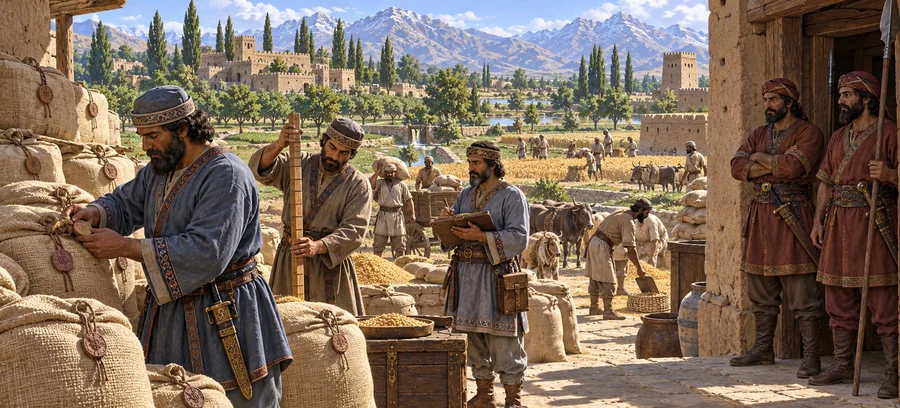
The King's Assessors
The Royal Court is a chain of three works that only your capital can build. Each completed stage lowers every estate in the kingdom by one rank, once, and sets a permanent ceiling on how high the houses can rise again. The reform does not change their mood.
The first stage costs 40,000 and takes six turns.
- Every estate falls one rank.
- From now on no house can rise above Lords of the Province.
 The King's Assessors40,000 | 6 turns | cap: Lords of the Province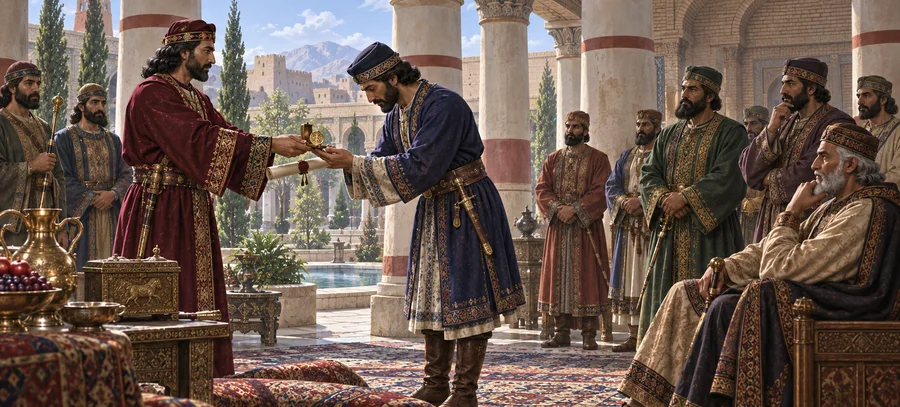
Royal Marzbans
Governors appointed by the king now answer for the provinces. 55,000, eight turns.
- Every estate falls one more rank.
- No house can rise above Entrenched Magnates.
The ceiling holds everywhere: in new conquests, after council dilemmas and after any concession you make.
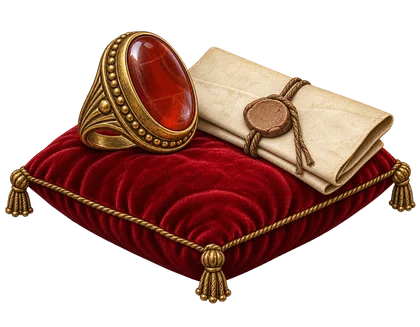 Royal Marzbans55,000 | 8 turns | cap: Entrenched Magnates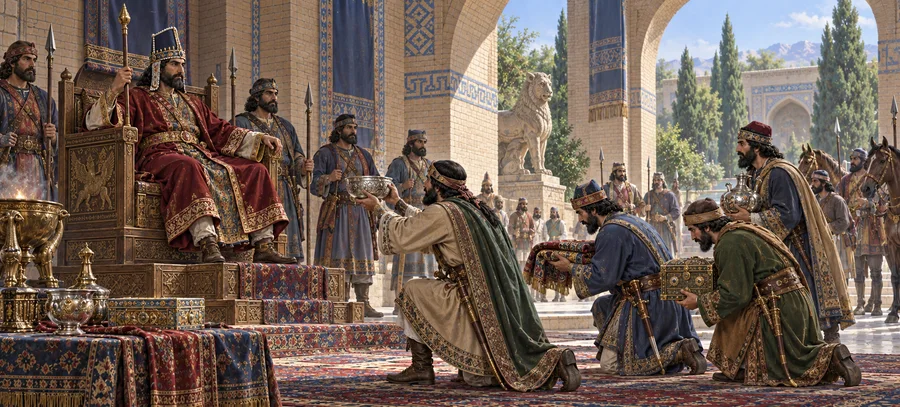
Court of the King of Kings
The great houses are bound to the throne through office and honours. 65,000, ten turns.
- Every estate falls one more rank.
- No house can rise above Favoured Houses.
A completed stage is never lost, even if the capital falls.
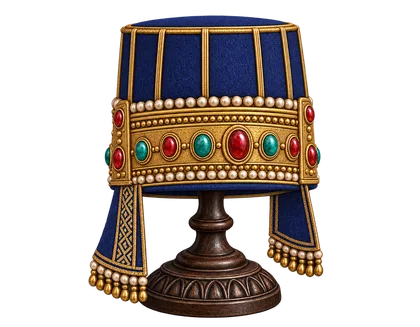 Court of the King of Kings65,000 | 10 turns | cap: Favoured Houses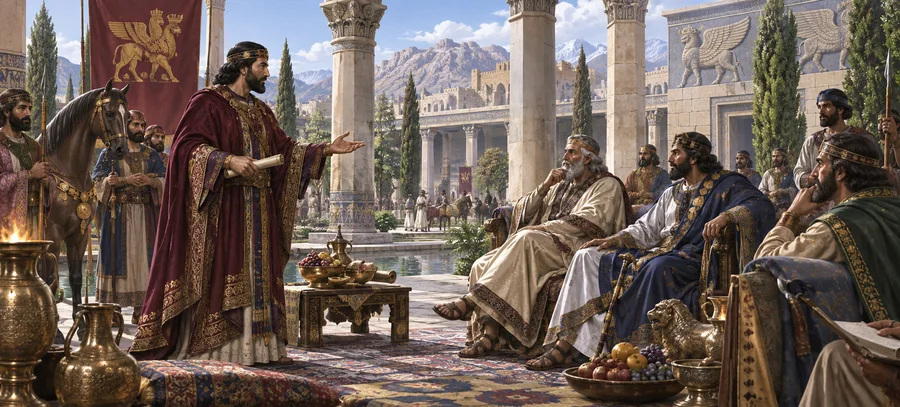
Satrapal Privileges
Satrapal Privileges is your tool for one angry town. While it stands, the houses of that town are content again from the next turn, but they keep their rank. It also gives +20% public order and -15% tax.
The six common edicts carry Parthian names: Remit the Royal Dues, Survey the Satrapy, Protect the Caravan Markets, Schools of the Royal Scribes, Honour the Ancestral Sanctuaries and Keep the Qanats Clear. See Governing the Realm. Parthia adds three of its own and Withdraw the Royal Standard, its name for Abandon Settlement:
 Satrapal Privileges8,000 | +20% public order, -15% tax, reconciles the local houses
 Royal Customs10,000 | +25% tax, -10% public order
 Horse-breeders' Privileges12,000 | recruits +1 experience, -10% trade
 Withdraw the Royal StandardFree | the town revolts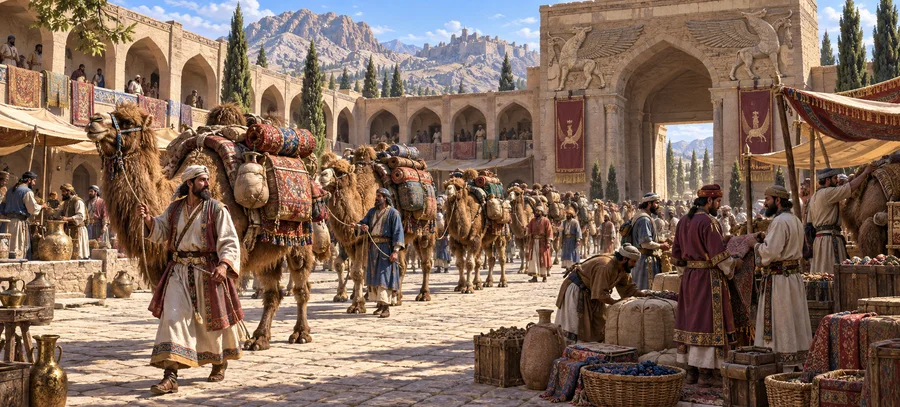
Satrapies and Caravans
Parthia uses the shared rules for focuses and town status, under its own names:
| Shared name | Parthian name |
|---|---|
| Agriculture | Irrigate the Royal Estates |
| Trade | Royal Caravan Station |
| Mining | Work the Royal Mines |
| Naval | Gulf Trading Station |
| Subject / Allied / Citizen | Tributary Satrapy / Chartered Province / Crown Province |
Inland towns on the caravan roads, with silk, incense or purple dye, make the best Caravan Stations.
From turn 20 a wealthy patron may endow one of your towns of large-town size or more, up to five across the realm. You do not build these; they simply appear:
- Caravan Court: more trade income.
- Irrigation Works: +1 health, +1 farming.
- Royal Stud: recruits gain experience, a little more public order.
Watch the Great Houses
A king who lets his nobles grow too strong, or too angry, may find them looking for another king. The south also remembers rulers of its own. When warnings arrive, your answers decide how much of the kingdom is at stake.
A Rival Diadem
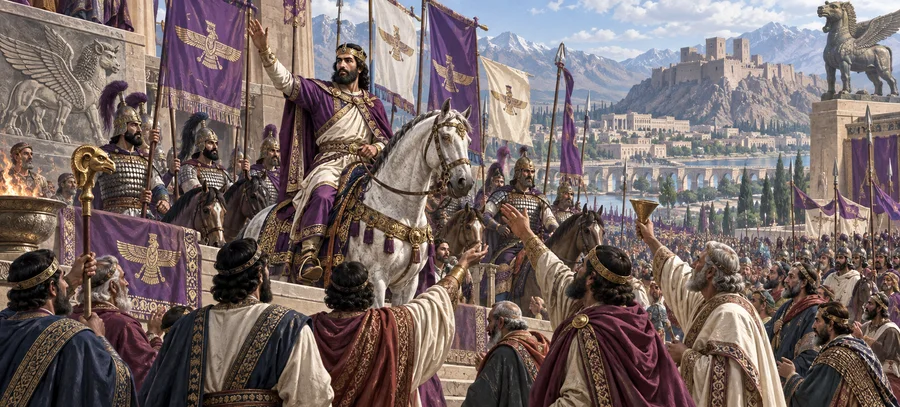
The great houses may offer the diadem to another Arsacid. This can happen from turn 35 once you hold at least twelve settlements, and only in a region where at least two of your towns have disaffected houses of Favoured rank or higher. Your capital and the town where your faction leader stands never join.
Three warnings follow, each four turns after you answer the last:
- Whispers of Another Diadem: pay 50,000 and the region's houses become content.
- The Great Houses Bargain: the houses rise one rank and become content.
- An Oath Before the Court: pay 80,000 and the houses become content.
Refusing any of them leaves the region disaffected. Accepting two of the three averts the rising. The claimant also fails if no disaffected houses are left anywhere to back him.
The Arsacid Pretenders
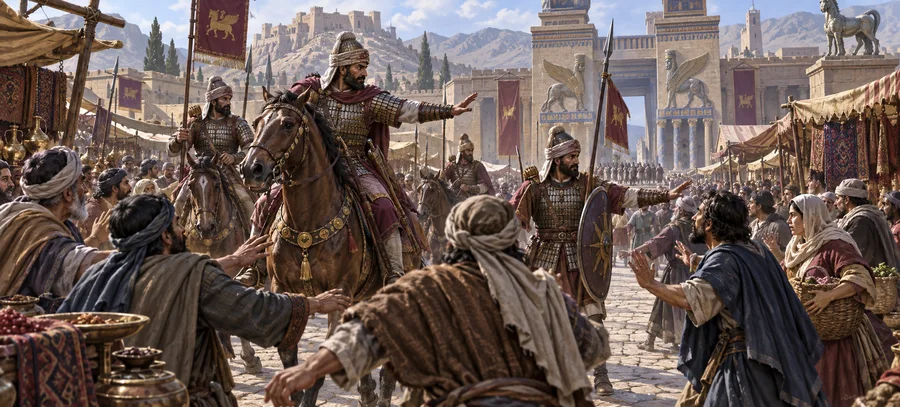
If the claimant goes ahead, the Arsacid Pretenders rise in a town of that region and other angry towns there may follow. Your characters in a defecting town go over to him, except your faction leader. Each rebel town gets a cavalry army, with Cataphracts where the houses are strongest. The rival has a large war chest and declares war.
The size of the revolt depends on the disaffected houses across the whole kingdom, and high ranks count for much more. Content houses add nothing: Satrapal Privileges in the right towns is the best defence.
When the rival court is destroyed, One Arsacid King marks the end of the crisis. Each crisis comes at most once.
The Rising of Persis
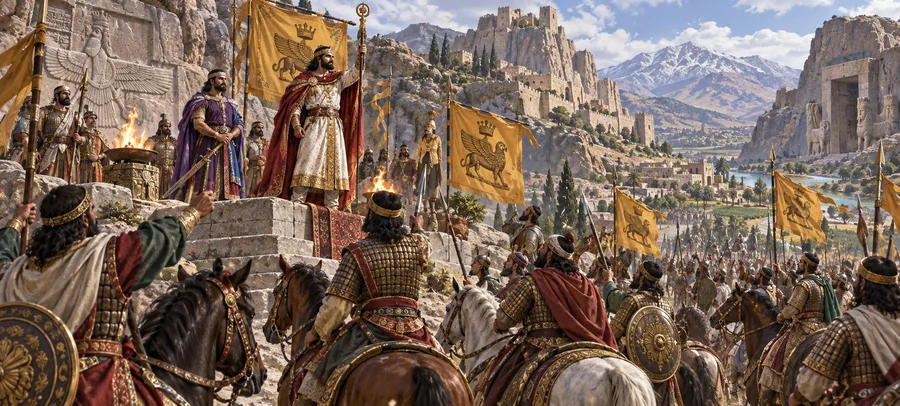
Late in a great reign, the princes of Persis may claim the inheritance of the ancient kings. This needs turn 120, at least forty settlements, Istakhr in your hands and two safe towns in Persia.
- The Princes of Persis: pay 50,000; Persia's houses become content.
- Privileges of the Southern Houses: Persia's houses become at least Entrenched Magnates, content.
- The Southern Crown: Persia's houses become The Crown in Name Only, content.
Only accepting all three averts the rising, and the ranks you grant stay: peace in Persis costs most of the region's income. A completed Royal Court stage still caps them.
If Persis rises, the Sassanids take up to six Persian towns with a late Persian army and a large war chest. Each concession you made weakens them; disaffected houses anywhere in the kingdom strengthen them.
King of Kings
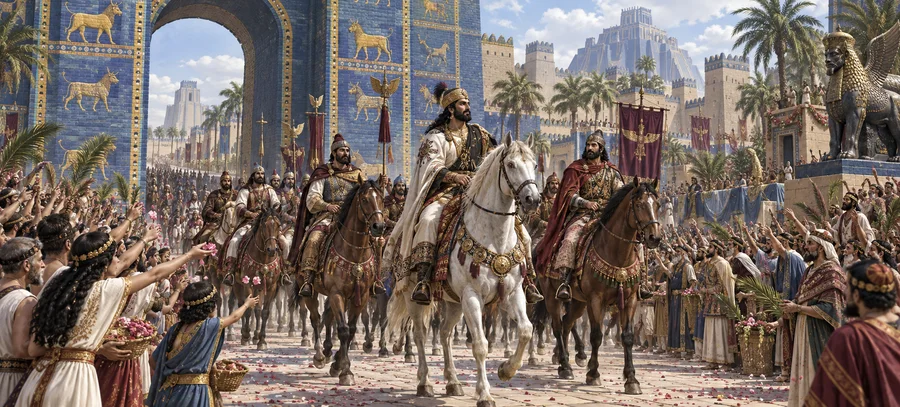
The cities of the old Persian kings each announce your arrival: Ecbatana, Susa and Babylon.
Hold all three, together with at least twenty settlements, at the end of a turn and you are proclaimed King of Kings, with a one-time gift of 50,000.
 The Mountain ThroneTake Ecbatana
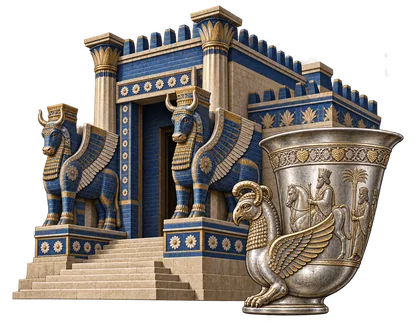 The Gates of SusaTake Susa
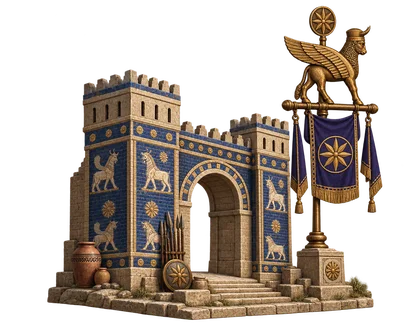 The Great City of the RiversTake Babylon
 King of KingsAll three and 20 settlements | 50,000
Beyond the Kingdom
Parthia shares the late-campaign world events with every other faction:
- The migrations: once you hold 75 settlements after turn 60, the barbarian world stirs. The Franks and the northern tribes rise in the west, and the Huns ride out of the steppe as a migrating horde, one crisis some years after the other. In some campaigns this comes later even to a smaller realm.
- Judaea: if you hold Jerusalem late in the campaign, its people may petition you. Granting their requests keeps the peace; refusing them risks a rising.
- Emergency coinage: an empty treasury can be refilled by striking light Arsacid silver, at a lasting cost (see Governing the Realm).
What the Scribes Record
Your generals remember their lives. They gain traits for the lands they visit, the famous cities they see and take, the peoples they fight and the battles they win or survive. A Parthian general carries Servant of the Arsacid Crown.
Two distinctions are uniquely Parthian. Rider of the Royal Road (+1 influence) needs Persia, Mesopotamia and Syria visited and Babylon seen. Guardian of the Arsacid Throne (+1 law) needs a victory over the Arsacid Pretenders or the Sassanids.
5 chapters are sealed. They cover the rivals who may claim your throne, the great cities of the old Persian kings and the wider world.
Field notes
- Answer every council dilemma. An ignored dilemma counts as No, and No usually makes the houses stronger.
- Save early for The King's Assessors. Every completed stage of the Royal Court curbs the houses everywhere, for good, without angering them.
- New towns copy the strongest houses already in their region. Curb a region before you expand inside it.
- Keep six free garrison places when the houses offer their horsemen.
- Use Satrapal Privileges in towns where the houses are powerful and disaffected.
- In a short campaign, outlive the Seleucids and Armenia.