
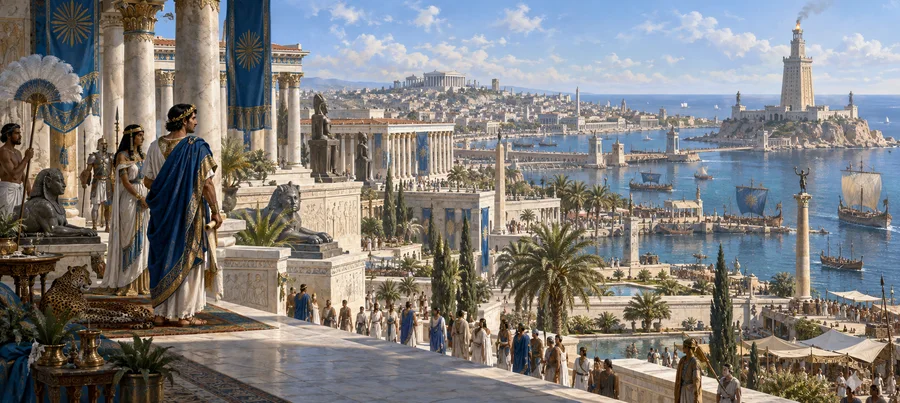
The Kingdom of the Nile
The heirs of Ptolemy rule Egypt from Alexandria, with outposts in Judaea, Cyprus, on the Libyan coast and in Asia Minor. Your rivals are the Seleucids in Syria and, in the far south, a native Egyptian kingdom at Meroe.
You start with 90,000 in the treasury and seven towns: Alexandria, Memphis, Pelusium, Jerusalem, Salamis, Paraetonium and Side.
| Town | What it starts with |
|---|---|
| Alexandria (capital) | A Cleruchic Settlement and a port |
| Memphis | A Royal Military Colony and eight extra units |
| Pelusium | A Cleruchic Settlement |
The Egyptian heartland is five towns: Alexandria, Memphis, Pelusium, Thebes and Hibis. Thebes and Hibis are held by rebels. Many of your systems count how many heartland towns you hold.
The opening event, The Inheritance of Ptolemy, turns your starting troops into the campaign versions of the same units. Generals and ships are unchanged. Your long goal is to take Rome.
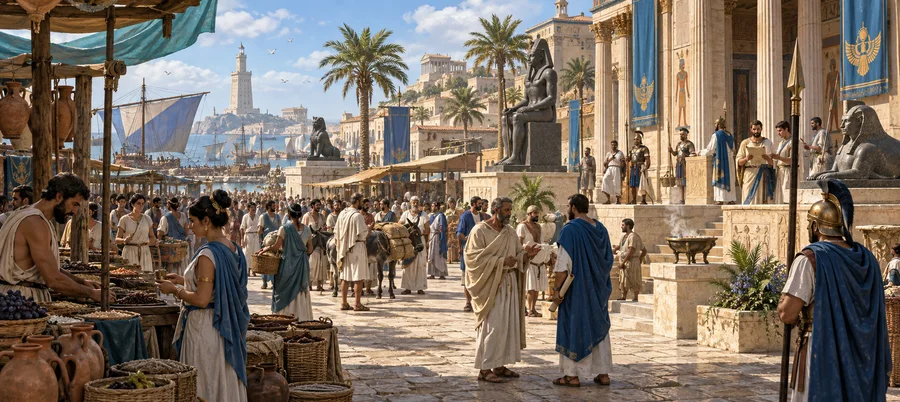
Towns and Ordinary Troops
The Ptolemies recruit through the normal queue from the first turn. There are no musters.
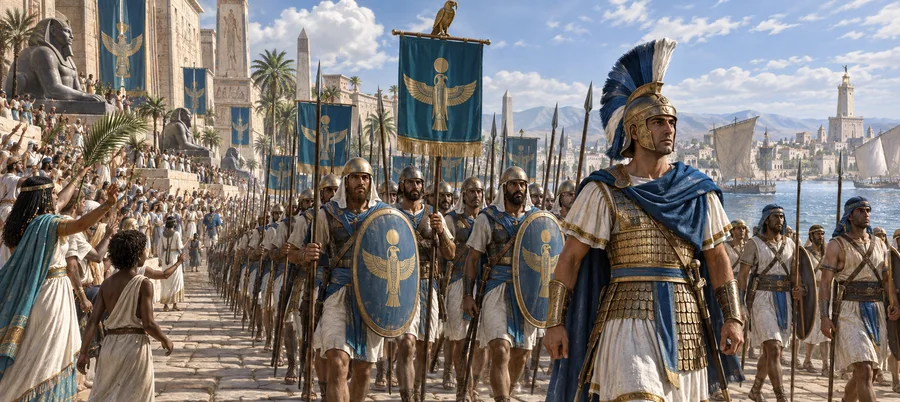
Every town's government building trains light troops: militia hoplites and peltasts anywhere, slingers and bowmen once the settlement is a town. The government buildings carry Ptolemaic names, from the Royal Village Office up to the Palace of the Ptolemies.
The field army comes from the military settlements described next. Each higher military building keeps every unit of the tiers below it.




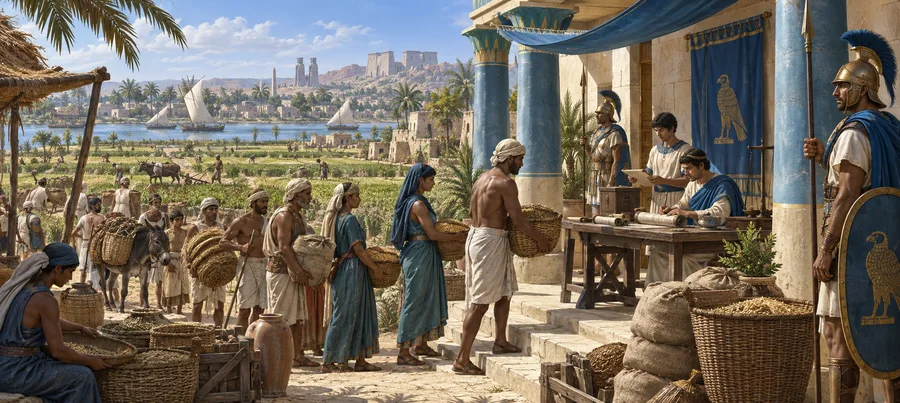
Cleruchic Settlements
Greek and Egyptian soldiers hold land in return for service. Focus: Establish Cleruchic Settlement costs 10,000 and takes one turn, from village size. It is the first rung of your military ladder and adds native pikemen, Nile spearmen and native cavalry to the town's roster.
Spread them widely: they are cheap, and your ordinary line infantry comes from here.


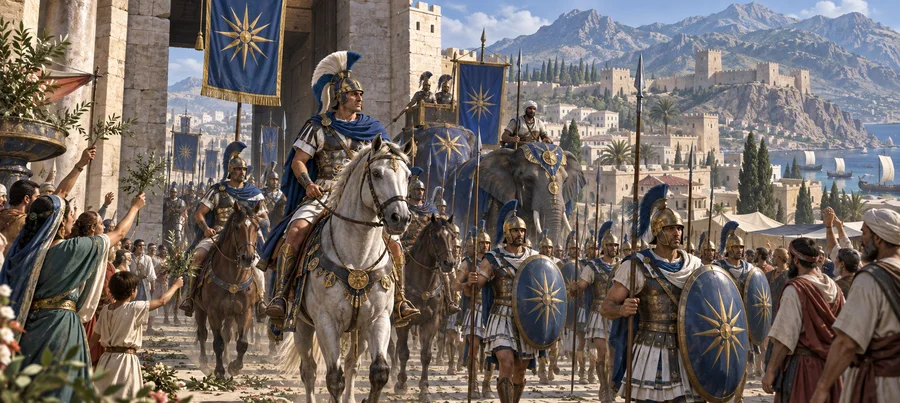
The Royal Military Colony
A Cleruchic Settlement upgrades into a Royal Military Colony: 30,000, three turns, in a city. Your capital can build one as a large town, so Alexandria qualifies from the start. Memphis already has one.
The colony trains the core of a Hellenistic army: the settler phalanx, heavy peltasts, settler cavalry, Cretan archers and ballistas.

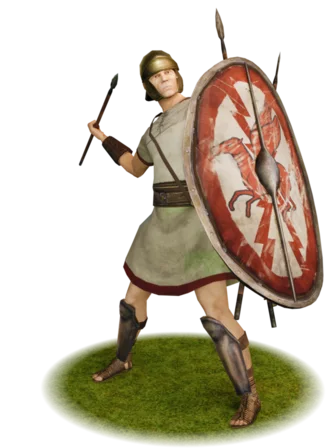


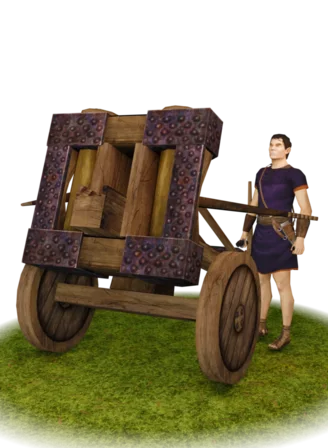
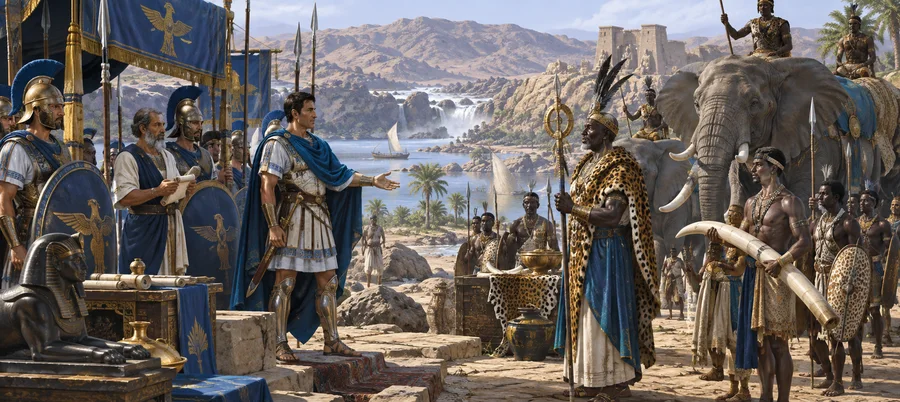
The Royal Army Headquarters
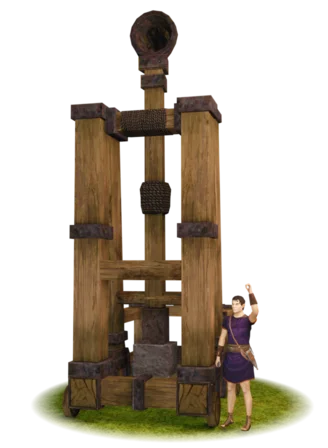
The last upgrade is the Royal Army Headquarters: 60,000, five turns, in a large city, or a city if it is your capital. It adds the king's own troops: the armoured agema phalanx, the household Palace Guard, the Palace Companions, onagers and war elephants.
War elephants use a herd allowance shared by your whole realm. Every elephant resource in your lands allows three elephant units. Each one you train uses a place, and one place returns every ten turns. When the allowance runs out, elephants leave the queue.




Open the Military Settlements
Egyptian households ask to serve in the military settlements. The offer comes when all of these are true:
- turn 35 or later;
- you hold at least ten settlements, including Memphis;
- you own at least one Royal Military Colony or Headquarters.
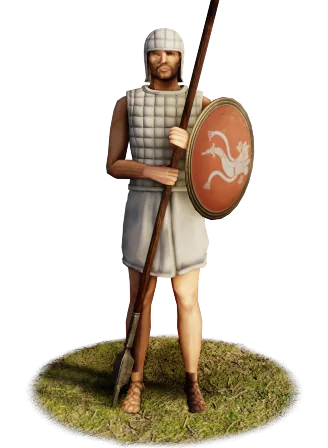
Paying 30,000 opens two new units: Egyptian Phalangites at every military building and Egyptian Swordsmen at a Colony or Headquarters. Every military building then gives -10% tax and +5% public order. The price is paid even if it puts you into debt. If you refuse, the offer returns twenty turns later.

The Royal Grain Stores
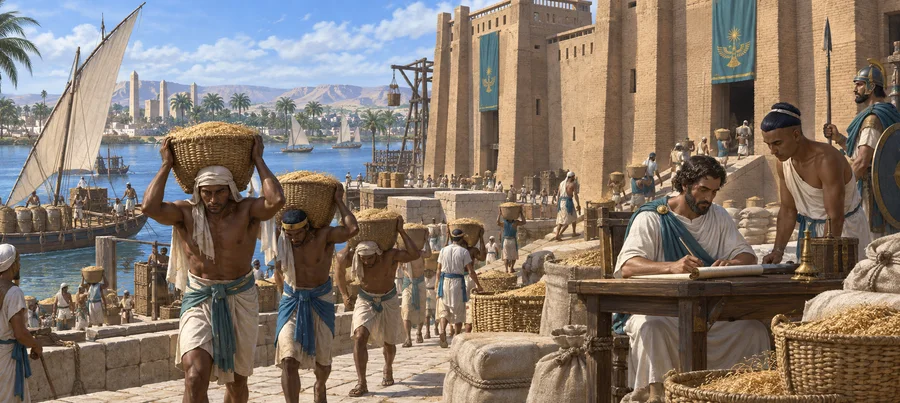
The royal stores hold up to three reserves, and you start with one. From turn 12, about every twelve turns, the harvest is counted, as long as you hold at least two heartland towns. The decision window tells you how full the stores are.
Most harvests add one reserve and some add two. After a good harvest:
- Grain for the Overseas Markets: if a heartland town you hold has a port, merchants offer 50,000 for one reserve.
- The King's Generosity: without a sale, you can hand out one reserve. Every settlement you own gains +10% public order for six turns.
An unanswered decision counts as No after four turns.
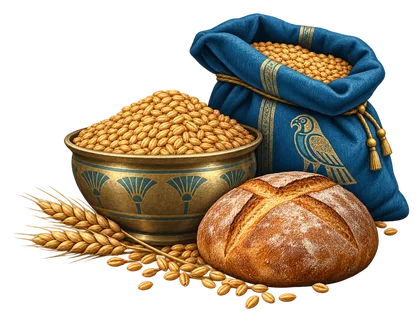 Grain from the King+10% public order in every settlement for 6 turns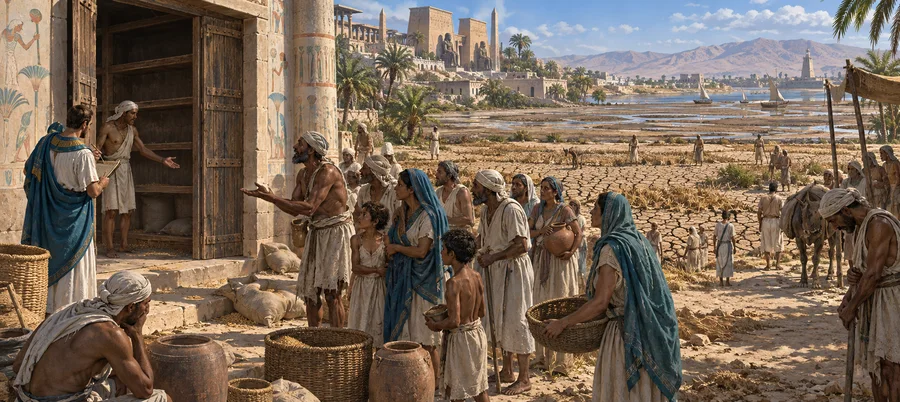
A Poor Harvest
Now and then the harvest fails and adds nothing. What happens next depends on your stores:
| Stores | Yes | No |
|---|---|---|
| A reserve in store | Spend one reserve. Nothing bad happens | Shortage |
| Empty | Pay 50,000 for grain from abroad | Shortage |
A shortage gives every heartland town you hold -10% tax and -10% public order for six turns.
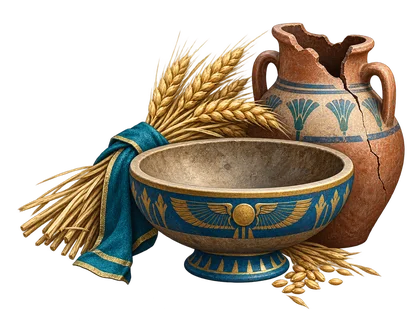 An Empty Harvest-10% tax, -10% public order in the heartland for 6 turns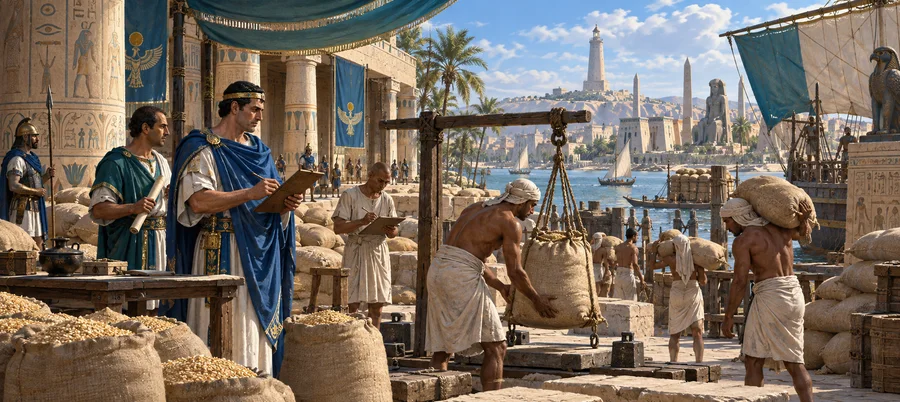
Royal Decrees
The Ptolemies have the six common edicts under their own names (Remission of Royal Dues, The Royal Survey, Privileges of the Agora, Endow the Gymnasium, Honour the Local Sanctuaries, Clean Wells and Waterways), Withdraw the Royal Officials to abandon a town, and three of their own. See Governing the Realm for how edicts work.
Your towns are Crown Dependencies, Allied Communities or Chartered Communities; Grant a Royal Charter makes a town a citizen.
 The Royal Grain Monopoly10,000 | +25% tax, -10% public order. Heartland towns only
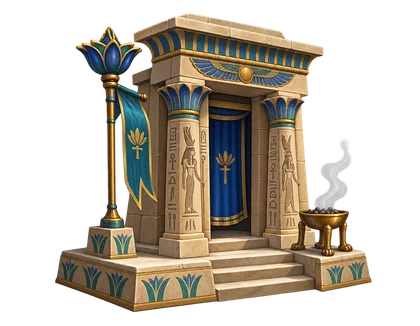 Patronage of the Priesthood8,000 | +20% public order, -15% tax
 Cleruchic Allotments12,000 | +1 experience for recruits, -10% tax. Towns with a military building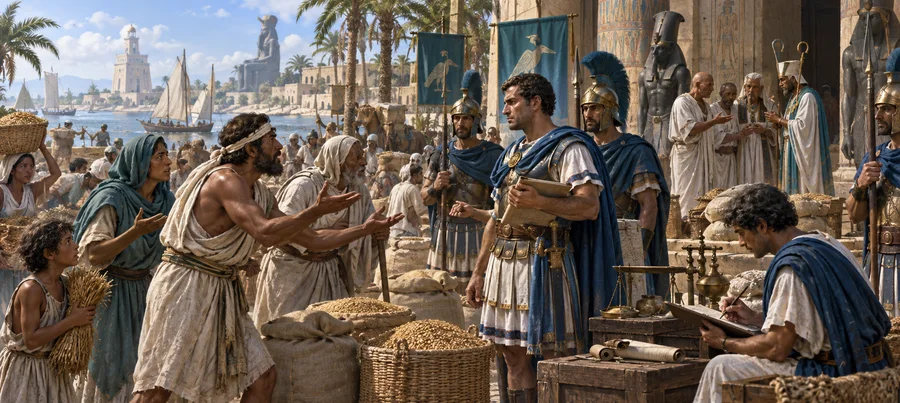
Shadows on the Nile
Egypt's wealth does not keep it quiet. The people of the Nile remember kings of their own blood, and the royal house has more than one heir. When petitions and envoys reach your court, your answers decide how much of the kingdom is at stake.
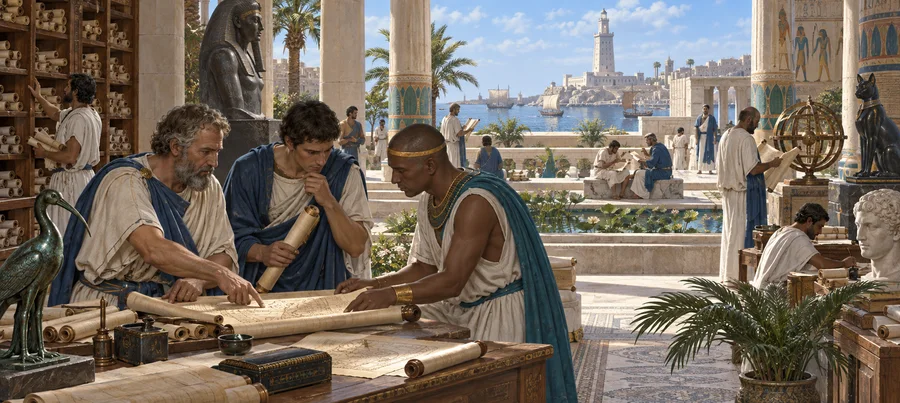
Provincial Benefactors
From turn 20 a wealthy patron may endow one of your large towns. You do not build it: it simply appears. There are at most four in a campaign, never two in the same region, and never in a town under siege.
 Royal Granary+10% tax
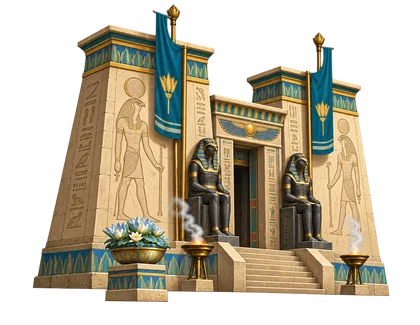 Endowed Sanctuary+5% public order
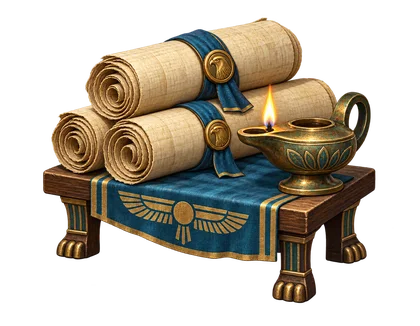 House of Scholars+1 law
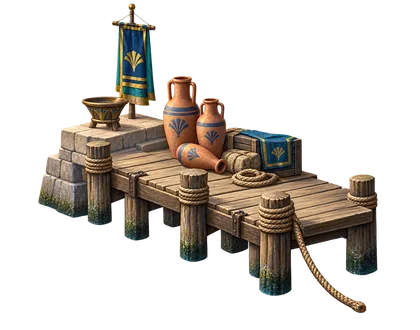 Merchants' Wharf+10% trade income. Not a port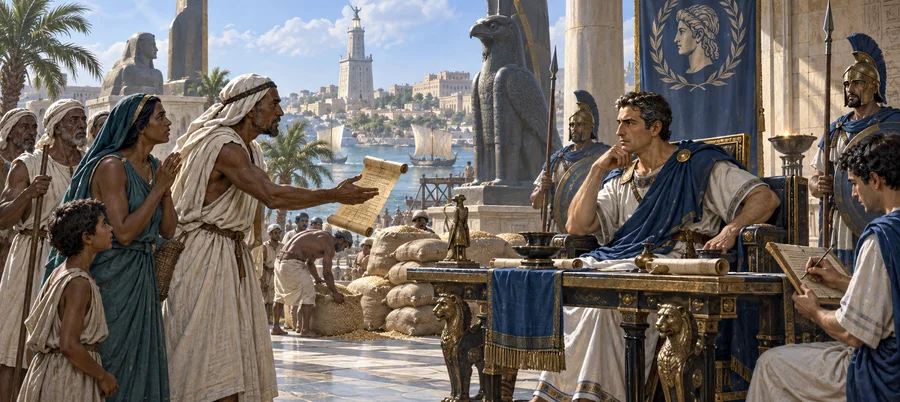
The Egyptian Restoration
In some campaigns the Egyptians demand their own rule. This can begin from turn 50 if you hold at least two heartland towns and either twelve settlements or four heartland towns; after turn 100, two heartland towns are enough. It happens at most once, and never while the War of the Diadem is under way. The warning sign is the world panel Troubled Waters on the Nile.
Three petitions follow, about three turns apart:
- Petitions from the Nile: pay 50,000 in restitution.
- The Revenues of the Sanctuaries: confirm the temple estates.
- The Egyptian Councils: recognise the provincial councils.
Accept all three and there is no rising (An Agreement on the Nile). Every petition you accept makes any rising smaller. The two privileges are permanent: they apply in every heartland town you hold, now or later.
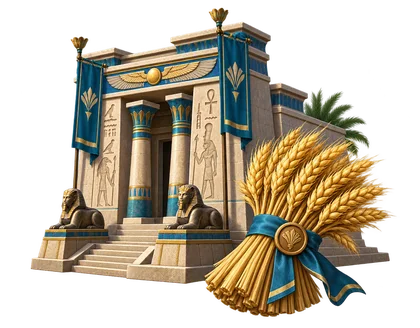 The Temple Estates-20% tax, +10% public order
 Privileges of the Egyptian Councils-20% tax, -10% trade income, +10% public order
 The Egyptian SettlementBoth: -40% tax, -10% trade income, +20% public order
Egypt Rises
If you refuse any petition, a heartland town revolts and joins the Egyptian kingdom: Thebes if possible, then Memphis, Hibis, Pelusium and Alexandria. Your capital, the town holding your faction leader and a town under siege are never chosen.
| Petitions refused | The rising |
|---|---|
| One | A single town, no field army |
| Two | Up to two towns and one field army |
| All three | Up to four towns and three field armies |
Egypt declares war and receives a war chest. Each town that joins gets a fresh Egyptian garrison, and the towns defect one a turn over the next few turns. Generals other than your leader inside a defecting town go over to Egypt.
If no town revolts within eight turns, The Egyptian Conspiracy Disperses. Destroy Egypt or keep it out of the heartland for three turns to see The Rising Driven from the Nile. If Egypt holds Alexandria, Memphis and Thebes, the world sees Egypt Restored.
Another Royal Household
In some campaigns a prince of your house claims the diadem. This can begin from turn 70 with at least twenty settlements, if you hold at least two towns in mainland Syria or Asia Minor that could revolt (not Jerusalem, the islands, your capital or your leader's town). It never starts during an Egyptian rising or within ten turns of one, and it happens at most once.
The prince first proposes to share the throne:
- Yes: peace is kept, but Two Royal Households gives -20% tax in every settlement for twenty turns.
- No: the garrisons must choose sides three turns later.
 Two Royal Households-20% tax everywhere for 20 turns
The War of the Diadem
The Loyalty of the Garrisons: paying 50,000 limits the revolt to one town and one field army. Refusing lets up to three towns defect and two armies take the field. The 50,000 is paid even if it puts you into debt.
The revolt starts in the chosen region, preferring a town with a Royal Military Colony or Headquarters. The Ptolemaic Claimants appear as a full rival faction with Ptolemaic troops, a war chest and a veteran garrison in every town that joins them. Their field armies are twenty units of pikes, cavalry, archers and ballistas. As in Egypt, your generals in a defecting town change sides.
If no town revolts within eight turns, The Rival Court Disperses. Destroying the Claimants ends the war with One Royal Diadem.

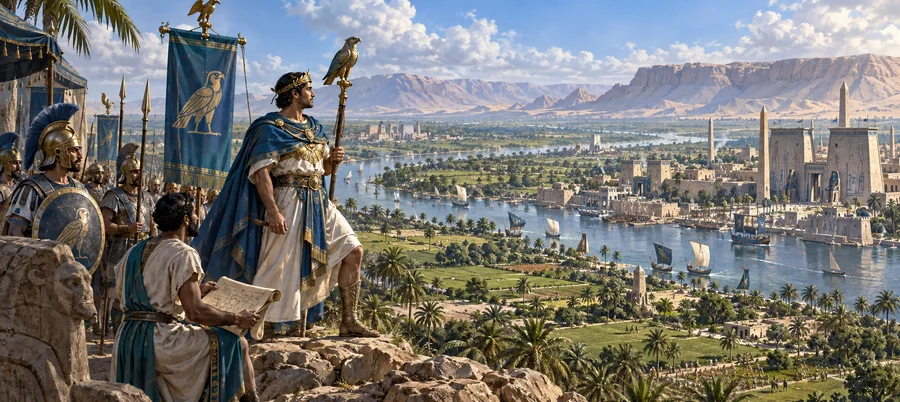
Master of the Nile
One-time announcements mark your conquests. They give no reward.
- Master of the Nile: hold all five heartland towns.
- Beyond the Southern Cataracts: hold Pselchis and Meroe.
- The Syrian Road: hold Jerusalem, Sidon and Damascus.

Beyond the Kingdom
The wider world moves too.
- The great migrations: once you hold 75 settlements after turn 60, the barbarian kingdoms of the north or the Huns may stir. In some campaigns they come from turn 90 whatever your size, and by turn 180 they can come regardless. The second wave follows at least 35 turns after the first.
- Judaea: you start with Jerusalem. In some campaigns, from turn 150, its elders send three petitions. Granting all three averts a rising, but Jerusalem then pays less, keeps its own courts and raises no troops for you.
What the Court Remembers
Your generals remember their lives. They gain traits for the lands they visit, famous cities they see and take, the peoples they fight and the battles they win or survive. A Ptolemaic general carries Served the House of Ptolemy.
A general who has travelled through Egypt, Syria and Greece and seen both Alexandria and Athens becomes A Man of the Lagid Seas (+1 influence).
Victories over the crown's enemies at home are remembered by name: Victor over the Claimants and Victor over the Native Kings. Either one earns Keeper of the Two Lands (+1 law).
7 chapters are sealed. They cover the patrons, the crises that can shake the kingdom from within and the wider world.
Field notes
- Alexandria starts with a port. Keep it: without a port in the heartland you can never sell grain abroad.
- Keep at least one grain reserve in store. It turns a poor harvest into a non-event.
- Your capital can raise a Royal Military Colony as a large town. Build one in Alexandria early.
- Have 30,000 ready around turn 35 for the reform. The price is paid even if it puts you into debt.
- Take Thebes and Hibis: many Ptolemaic systems count how many of the five heartland towns you hold.
- In a short campaign, outlive the Seleucids and the native Egyptian kingdom.