
The Inheritance of Seleucus
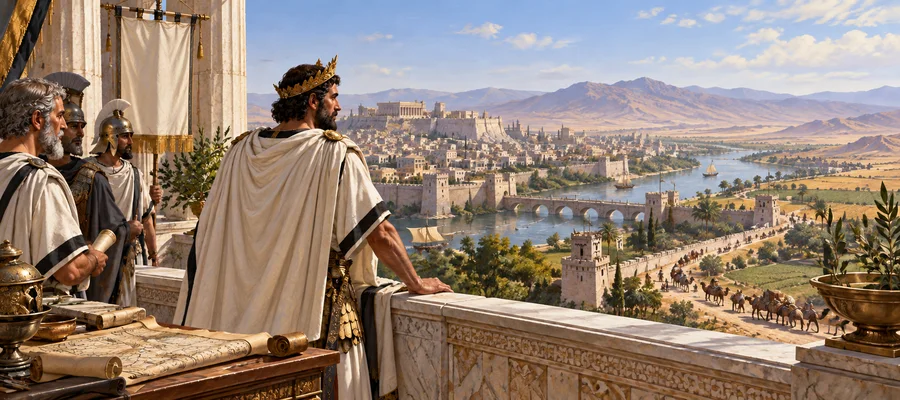
The heirs of Seleucus rule from the Aegean coast to the Iranian plateau: 21 settlements, great cities and armies drawn from many peoples. On paper you are the strongest power in the world. In practice the satraps keep most of the revenue.
You start with 120,000 in the treasury. Your capital, Seleucia, already has a Royal Military Settlement.
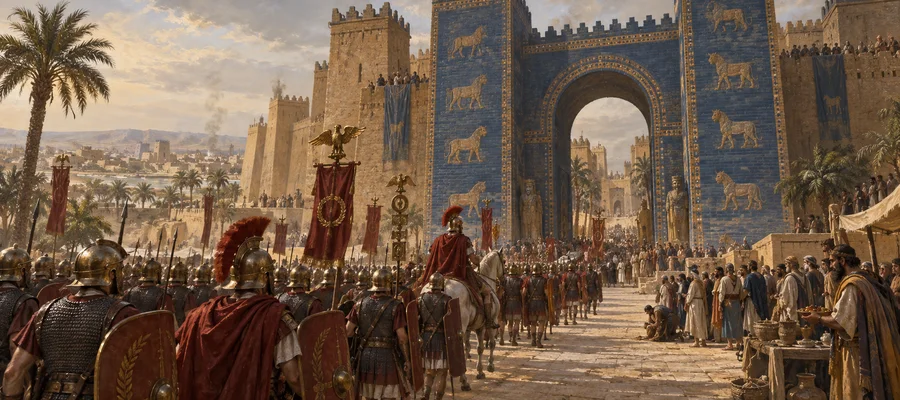
Your long goal is to take Rome.
The Burden of Alexander
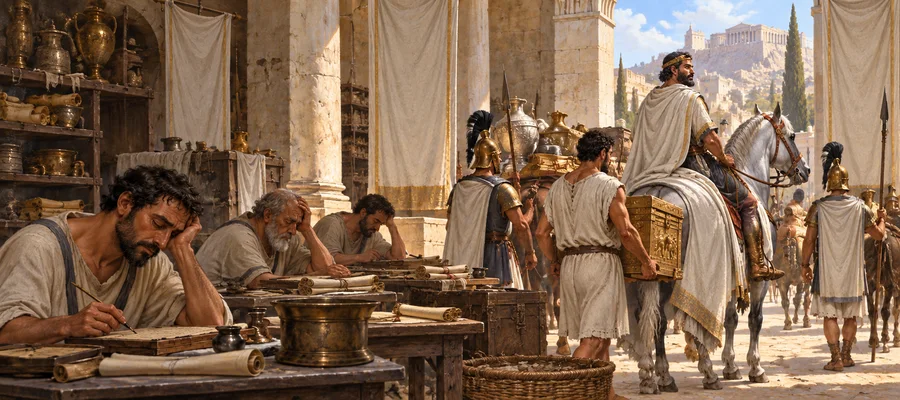
Every Seleucid town carries a marker called Restore Royal Control. It starts as The Burden of Alexander: heavy penalties to tax, trade and order, and only half the income of your Royal Estates and Royal Caravanserai focuses reaches the treasury.
Three works in the capital lift it, step by step, in every town at once:
| Stage | Tax | Trade income | Public order | Focus income kept |
|---|---|---|---|---|
| The Burden of Alexander | -50% | -40% | -15% | 50% |
| Royal Survey | -35% | -30% | -10% | 65% |
| Royal Treasury | -20% | -20% | -5% | 80% |
| Restored Royal Authority | none | none | none | 100% |
New conquests arrive at the stage you have reached. Progress never falls: if you lose or move the capital, the new capital carries on from the same stage.
 The Burden of AlexanderEvery town, until restored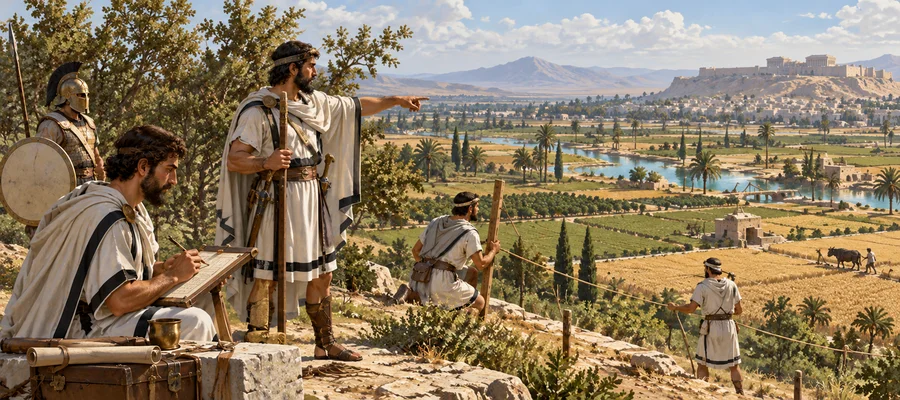
Royal Survey
Commissioners walk the estates and read the old grants. For the first time the court can see what it claims to govern.
40,000, six turns, built only in your capital. The burden eases everywhere, and 65% of focus income reaches the crown.
 Royal Survey40,000 | 6 turns | capital only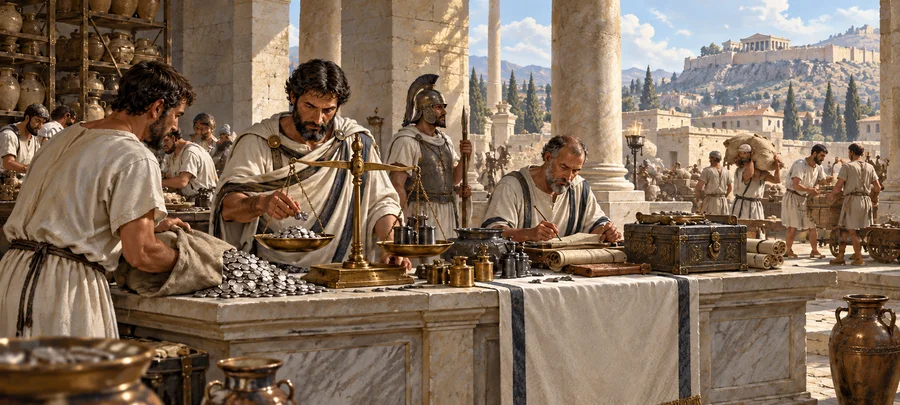
Royal Treasury
Collectors and treasurers answer to a royal office again. 55,000, eight turns, after the Survey.
The burden eases further, and 80% of focus income reaches the crown.
 Royal Treasury55,000 | 8 turns | capital only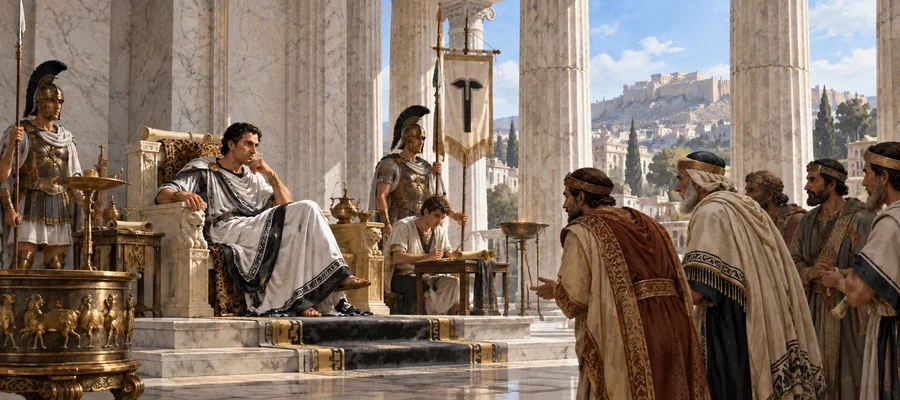
Restored Royal Authority
The king's officers keep reliable accounts and his judgements carry weight. 65,000, ten turns, after the Treasury.
- The burden is gone in every town and the crown keeps all focus income.
- It is the first condition for the military reform.
The whole road costs 600,000 and at least 24 turns of building.
 Restored Royal Authority65,000 | 10 turns | capital only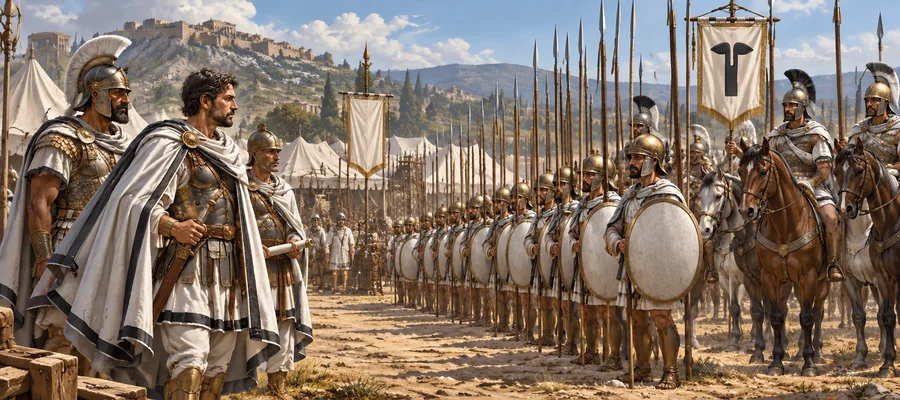
The Royal Army
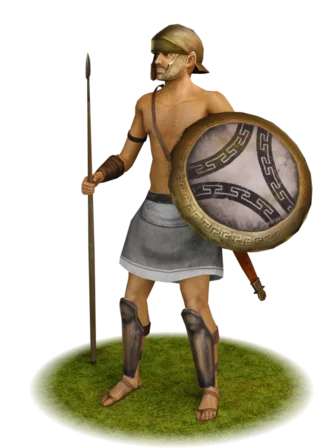
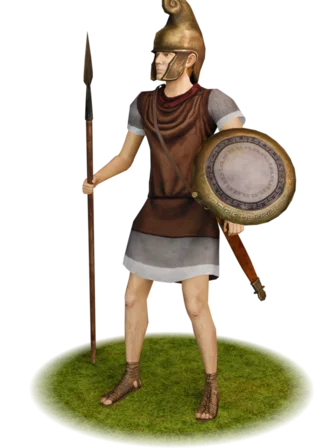
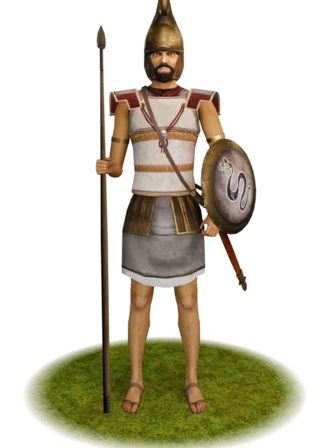
Ordinary Seleucid units are closed to you. You recruit the royal army instead: campaign versions of the same troops, with the original combat stats and upkeep.
Until the reform, only your capital trains them. Its government gives militia, peltasts and archers. Its military focus adds more at each stage: the Satrapal Levy Ground, the Royal Military Settlement and the Royal Army Headquarters (see Governing the Realm for costs and sizes). Military buildings elsewhere train nothing royal before the reform.
Elephants need herds: each elephant resource you hold allows three elephant units, and one more becomes available every ten turns.
Scroll through the royal army:



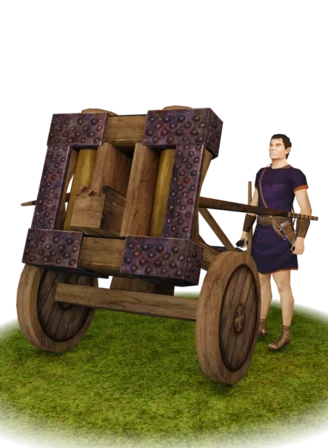

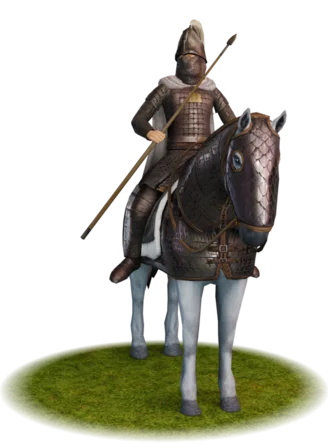

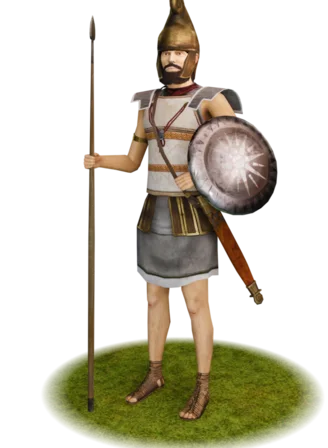
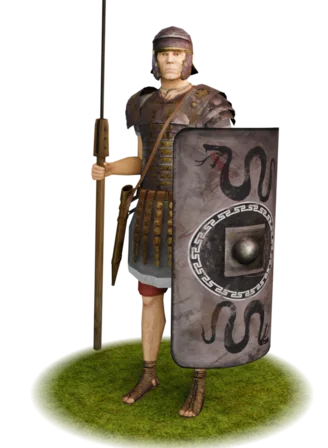



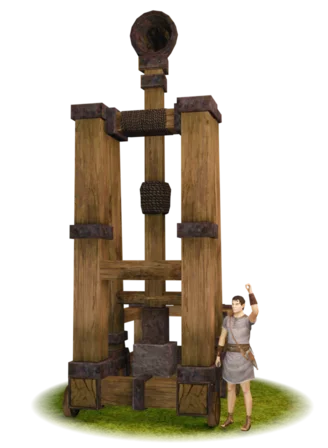
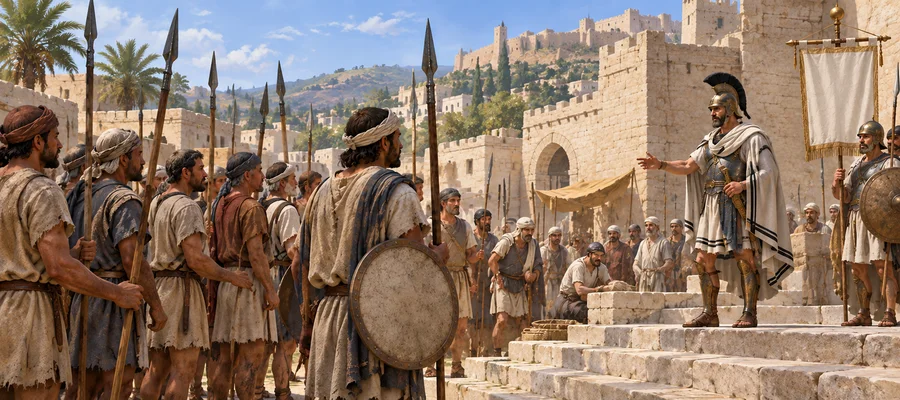
Satrapal Levies
Outside the capital, towns raise levies. First give the town a Satrapal Levy Ground (Focus: Establish Satrapal Levy Ground, 10,000). From town size it can then order one of four levies. Each takes one turn, and six units arrive in its garrison. The crown repays two fifths of the price when the levy assembles.
| Levy | Price | Repaid | What comes |
|---|---|---|---|
| Summon the Provincial Infantry | 15,000 | 6,000 | Five infantry, one missile |
| Summon the Provincial Horse | 20,000 | 8,000 | Four cavalry, one infantry, one missile |
| Assemble the Satrapal Levy | 15,000 | 6,000 | Three infantry, two missile, one cavalry |
| Summon the Light Troops | 12,000 | 4,800 | Five missile, one infantry |
- The region joins in: up to four of your other towns in the same region each send one more unit. They need no levy ground.
- No cost in people: levies do not reduce population.
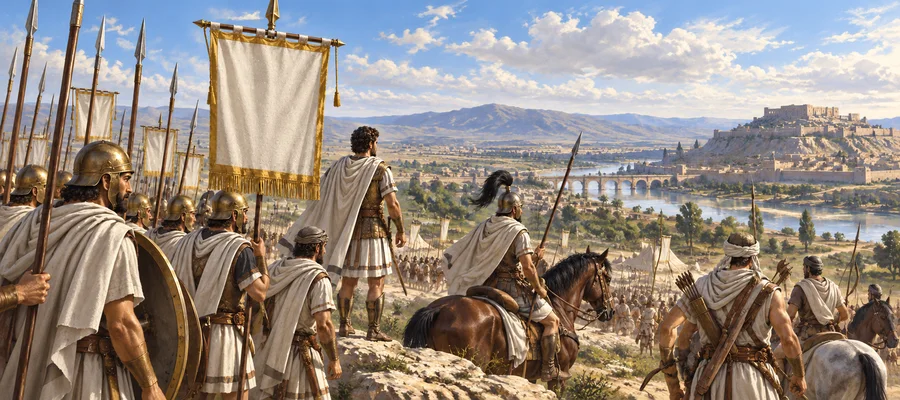
Every Country Its Own Levy
Levies are weak and local. What comes depends on the region the town lies in, not on its culture:
- Syria, Mesopotamia, Persia, Armenia: hillmen, eastern infantry, slingers, archers and horse archers.
- Asia Minor and Graecia: militia hoplites, levy pikemen, peltasts, archers and light lancers.
- Aegyptus: Nubian spearmen, slingers, skirmishers and desert cavalry.
- Arabia: Arab infantry and spearmen, skirmishers and Nabataean light cavalry.
- Oriens: Indian levy spearmen, javelinmen, archers and light cavalry.
Households under arms: each levy wears out the town that raised it and, slightly less, each town that joined. Strain fades every turn. A worn-out town cannot raise or send a levy, and a besieged one waits: a paid order stays pending until the town recovers.
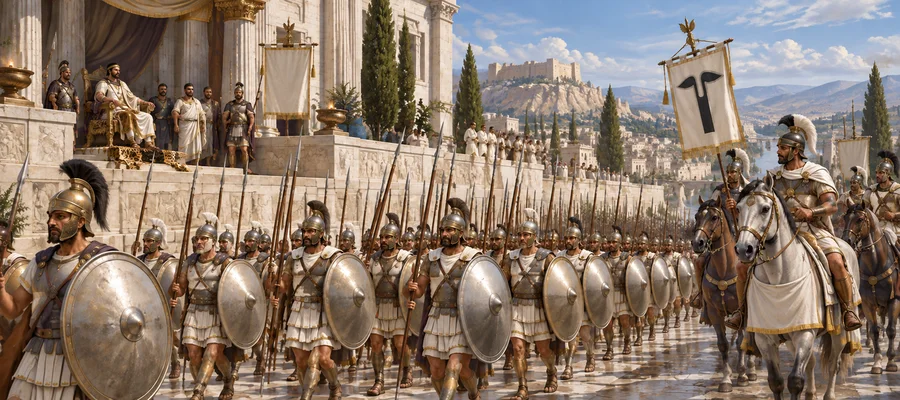
The Army of a Restored Kingdom
From turn 30, once Restored Royal Authority stands and you hold at least 31 settlements (ten more than you started with), the court proposes to extend royal service through the kingdom. Paying 80,000 carries out the reform. The price is paid even if it puts you into debt.
If you refuse, the question returns twelve turns later.
After the reform:
- Every government and military building in the kingdom trains the royal army, not only the capital.
- The levy orders stay.
- Veterans' Allotments becomes available.
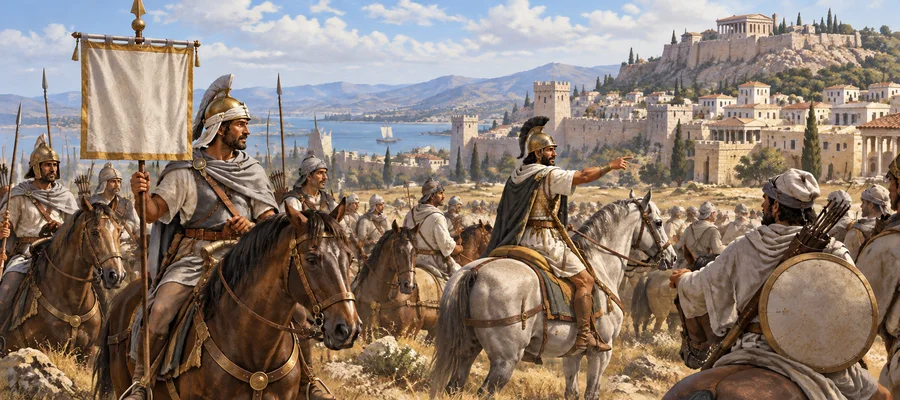
Auxiliaries of the Empire
After the reform, every Royal Military Settlement and Royal Army Headquarters also trains one elite auxiliary of its region. A kingdom that reaches from the Aegean to India can field the best of each:





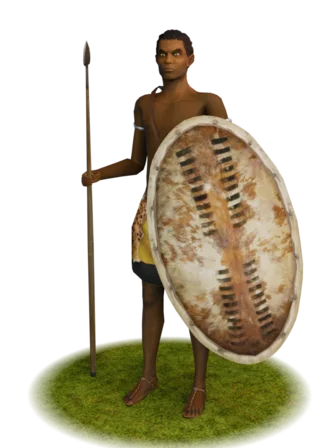

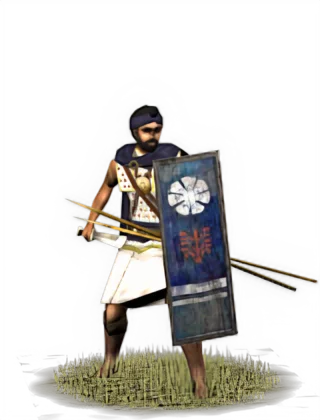


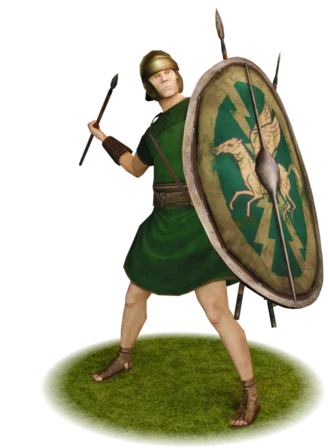



Decrees of the King
The Seleucids have ten edicts. The six common ones carry royal names, such as Remit the Royal Tribute or Protect the Caravan Markets. Besides those and Withdraw the Royal Standard (Abandon Settlement), three are their own:
Demand the Royal Dues10,000 | +35% tax, -15% public order Recognise Provincial Privileges8,000 | +20% public order, -20% tax
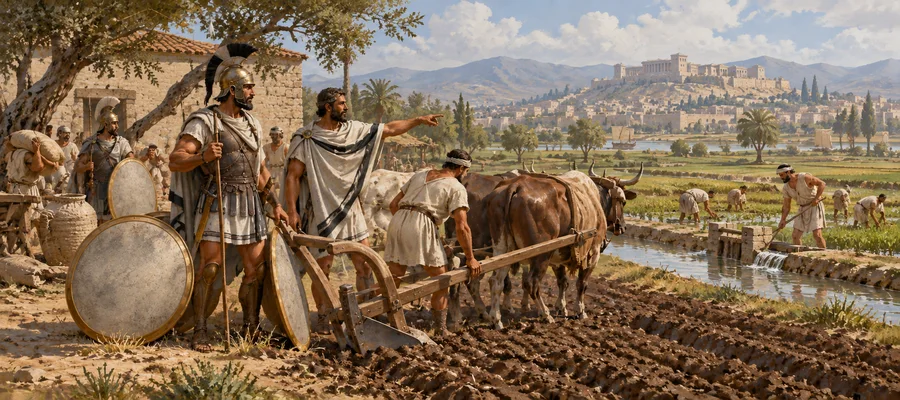
 Veterans' Allotments12,000 | new recruits +1 experience, -10% tax. After the reform, with a Satrapal Levy Ground or better
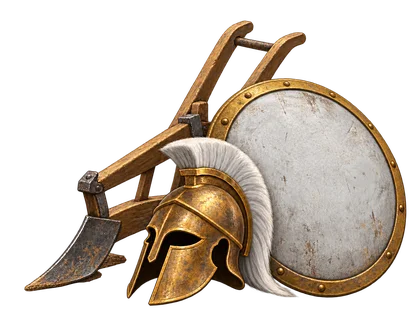
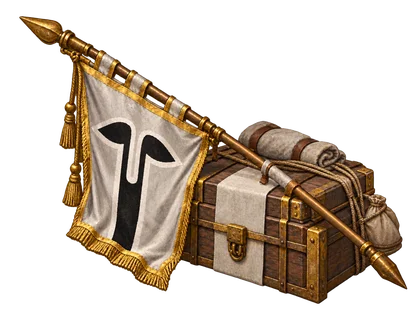 Withdraw the Royal StandardFree | the town revolts. Move your troops and characters out first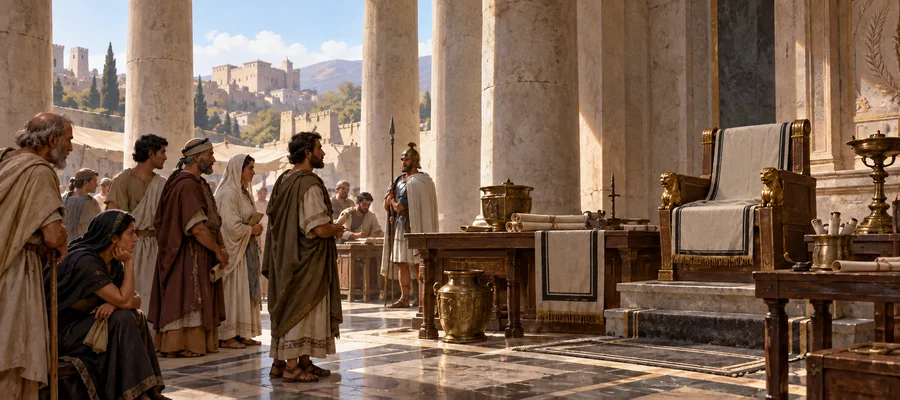
A Court That Cannot Pay
The satraps obey a king who pays his way. A court sunk in debt, ruling provinces it has not yet restored, invites them to look after themselves. Other peoples, at home and beyond the frontiers, may also test your rule.
When petitions arrive, your answers decide how much of the kingdom is at stake.
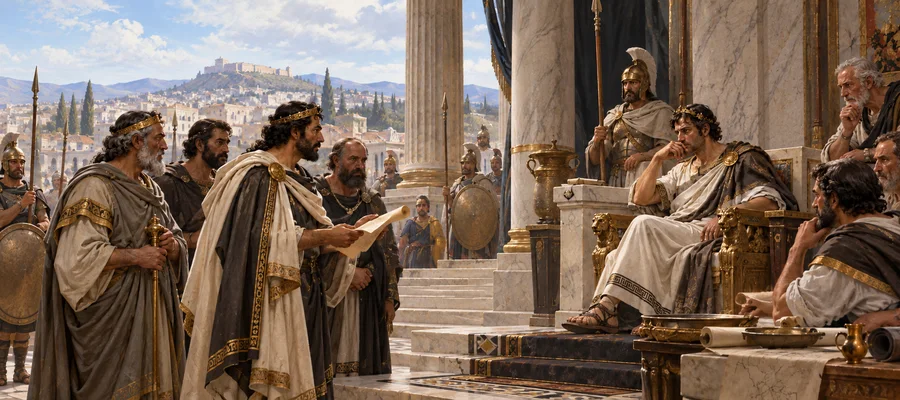
The Satraps Withhold Their Revenues
In some campaigns the satraps may defy the court, at most once. It can only begin from turn 30, after your treasury has been in debt for three turns in a row, and only in a region that holds at least three of your towns that could rise: not your capital, your leader's town, a besieged town or a chartered Jerusalem.
Restored Royal Authority ends the danger for good.
- The Satraps Withhold Their Revenues: paying 80,000 settles it.
- The Price of Provincial Loyalty, three turns after a refusal: recognise their privileges and every town you hold in that region gains The Satrapal Settlement (-20% tax, +10% public order) until Restored Royal Authority. Refuse again, and the rising begins.
An unanswered petition counts as a refusal.
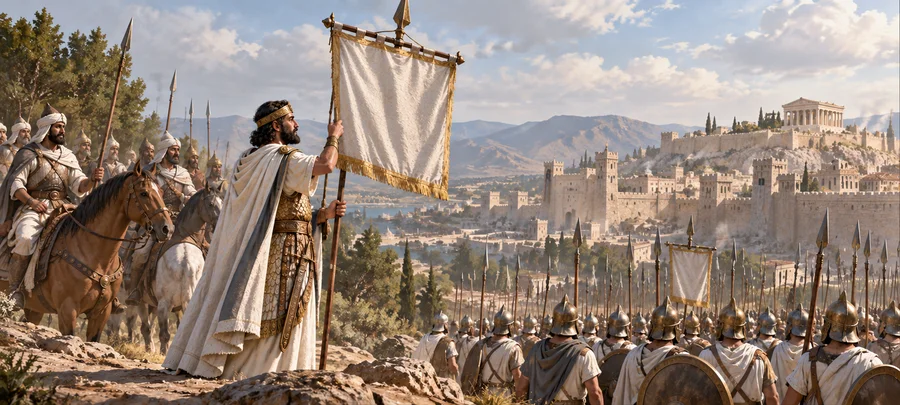
The War of the Satraps
One town of the region revolts and becomes the Rebel Satrapies, at war with you and holding a large war chest. Every faction hears of it.
Over the next turns up to three more towns of that region may join, one at a time. Your characters inside a joining town, except the faction leader, go over to the rebels. Each rebel town receives a strong veteran garrison of pikemen, light troops, cavalry and cataphracts.
Retake every rebel town and The Satraps Subdued ends the war for good. If the conspiracy finds no foothold, it simply disperses.

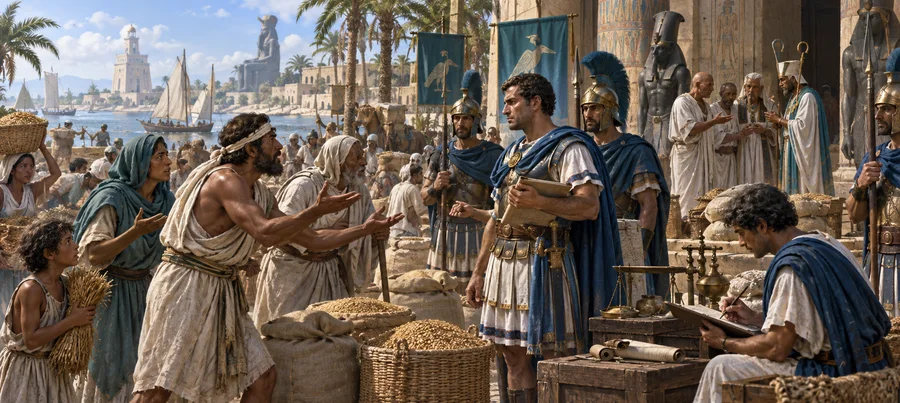
Troubled Waters on the Nile
If you conquer Egypt, Egypt may not stay conquered. From turn 100, a realm holding at least two of the five Nile cities (Alexandria, Memphis, Pelusium, Thebes, Hibis) may face a native rising.
Three petitions come first: 50,000 in restitution, protection of the temple estates, and power for the Egyptian councils. Each one you accept weakens the rising; accept all three and it never comes. Otherwise the Nile towns rise as Egypt.
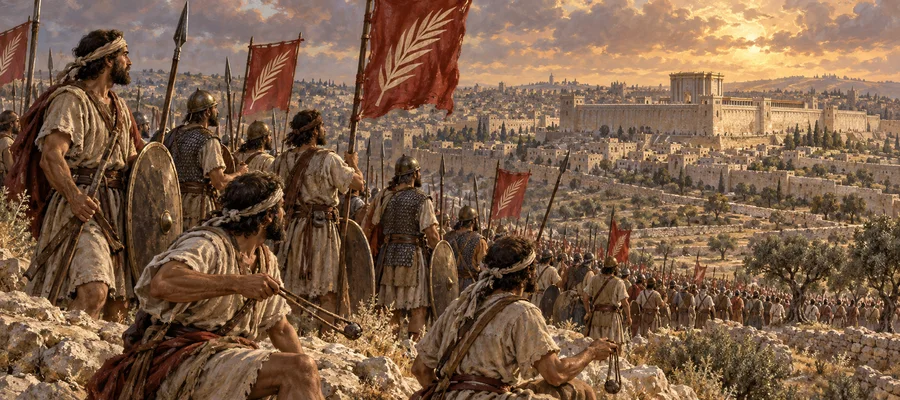
Jerusalem
In some campaigns Jerusalem rises against whoever holds it, from turn 150. If it is yours, three petitions come first: 50,000 in restitution, the Charter of Jerusalem (lower tax, more order, no recruits or levies from the city), and the council's terms (less tax, less law). Each agreement weakens the revolt; all three avert it. If it comes, the city becomes Judaea.
Beyond the Frontiers
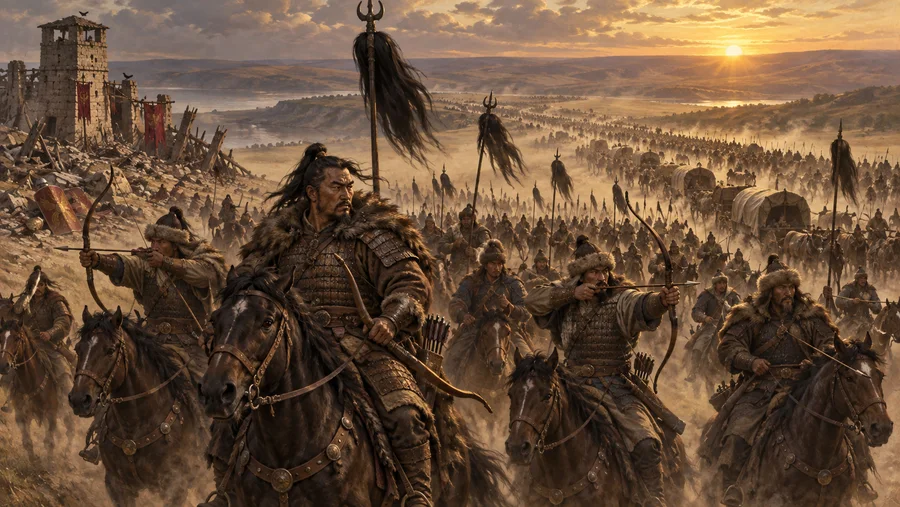
Once you hold 75 settlements after turn 60, the great migrations can begin. In some campaigns they come from turn 90 whatever your size, and after turn 180 even a small realm can set them off.
Two waves come, one after the other and years apart. The Franks rise first in the north, followed by the Saxons, Alemanni, Burgundians, Lombards, Vandals and Goths. The Huns ride out of the steppe as a migrating horde with many full armies. Every faction is warned as each wave begins.
Across the Royal Satrapies
Your generals remember their lives. They gain traits for the lands they visit, famous cities they see and take, the peoples they fight and the battles they win or survive. A Seleucid general carries Served the House of Seleucus.
Two distinctions are uniquely Seleucid. Across the Royal Satrapies (+1 influence) needs Syria, Mesopotamia, Persia and Asia Minor visited and both Antioch and Babylon seen. Restorer of Royal Authority (+1 law) needs a victory over the Rebel Satraps and a defensive battle won while holding his ground.
5 chapters are sealed. They cover what happens when the satraps defy the court, and the troubles the wider world can bring.
Field notes
- Start the Royal Survey on turn one. Every turn under the full Burden costs you income in every town.
- Seleucia is a city: upgrade its Royal Military Settlement to a Royal Army Headquarters early. Before the reform it is your only source of the royal army.
- Spread levy orders across a region. A town worn out by levies cannot raise another.
- Always keep room in the garrison. A levy brings up to ten units and a garrison holds twenty.
- Expand while you restore: the reform needs 31 settlements as well as full restoration.
- Do not let the treasury sit in debt for long.
- In a short campaign, outlive the Ptolemies.